
Surgical Device Engineering
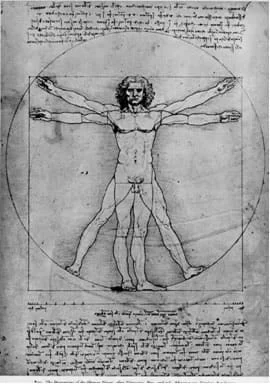 People have been studying the human body for centuries. "Study of Proportions" by Leonardo da Vinci.Copyright http://pantransit.reptiles.org/images/sorted/illo/misc/
The Medical Instrumentation lesson presents a description of the broad field of biomedical engineering, including the variety of biomedical devices and the issues that biomedical engineers take into consideration. This overview enables students to gain an understanding of the substantial underlying technology in the field of medicine. In the associated activity, Surgical Resident for a Day, students work in teams as surgical residents using surgical instruments to complete tasks that are inside of a box, hidden from direct view—a setup similar to laparoscopic surgery.
The Put Your Heart into Engineering lesson presents the human vascular system and how engineering problem solving can be applied to it. In the associated activity, No Valve in Vain, students act as biomedical engineers to design, build, test and redesign prototype one-way heart valves using plastic tubing, tape, plastic, foam and wire, testing them with water to represent blood moving through the heart.
Engineers have impacted the healthcare industry through the invention of creative devices that prolong life and assist in saving lives. The two activities highlight particular aspects of biomedical engineering: creating replacement heart valves and designing medical and surgical instruments.
- MS-ETS1-2 Evaluate competing design solutions using a systematic process to determine how well they meet the criteria and constraints of the problem.
Grades 6-8
This resource focuses on the following Three Dimensional Learning aspects of NGSS:
Science & Engineering Practices- Evaluate competing design solutions based on jointly developed and agreed-upon design criteria.Do you agree with this alignment?
Disciplinary Core Ideas- There are systematic processes for evaluating solutions with respect to how well they meet the criteria and constraints of a problem.Do you agree with this alignment?
Do you agree with this alignment? - Evaluate competing design solutions based on jointly developed and agreed-upon design criteria.
- Day 1-2: Medical Instrumentation lesson
- Day 3: Surgical Resident for a Day activity
- Day 4-5: Put Your Heart into Engineering lesson
- Day 6-7: No Valve in Vain activity
- Surgical Device Engineering
Contributors
Emily McDowell; Alice Hammer
Supporting Program
Techtronics Program, Pratt School of Engineering, Duke University
Acknowledgements
This content was developed by the MUSIC (Math Understanding through Science Integrated with Curriculum) Program in the Pratt School of Engineering at Duke University under National Science Foundation GK-12 grant no. DGE 0338262. However, these contents do not necessarily represent the policies of the NSF, and you should not assume endorsement by the federal government.
Copyright
2013 by Regents of the University of Colorado; original © 2004 Duke University