Skip to main content
Search Site
Search Curriculum
Find Curriculum
K12 Engineering
Standards
Get Involved
About TE
Subscribe
Log In
Find Curriculum
All Curriculum
Activities
Lessons
Units
Popular Topics
K12 Engineering
What is engineering?
Why Teach Engineering in K12?
Types of Engineering
Design Process
Design Thinking
Standards
Browse Standards
NGSS
Common Core - Math
Get Involved
Professional Development
Community of Practice
Submit Curriculum
Become a Reviewer
Newsletter
About TE
About Teach Engineering
Curriculum Types
FAQs
Contact Us
Donate
Editor's Picks
157 published picks
January 2015 Editor's Pick
Bioremediation: The Sugar Spill Challenge
Students use yeast to clean up sugar spills.
View Curriculum →
December 2014 Editor's Pick
Modeling Oil on the Ocean: Testing & Improving Oil Booms
Students learn about oil spills and their environmental and economic effects. They experience the steps of the engineering design process, starting…
View Curriculum →
November 2014 Editor's Pick
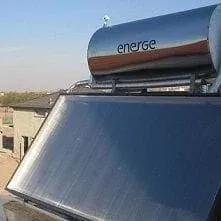
Solar Water Heater
Student teams design and build solar water heating devices that mimic those used in residences to capture energy in the form of solar radiation and…
View Curriculum →
October 2014 Editor's Pick
Power, Work and the Waterwheel
Waterwheels are devices that generate power and do work. Student teams construct waterwheels using two-liter plastic bottles, dowel rods and index…
View Curriculum →
September 2014 Editor's Pick
Saving a Life: Heart Valve Replacement
Students use their knowledge about how healthy heart valves function to design, construct and implant prototype replacement mitral valves for…
View Curriculum →
August 2014 Editor's Pick
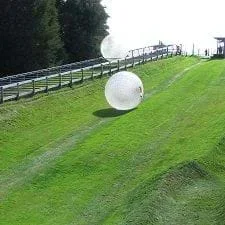
Energy in Collisions: Rolling Ramp and Review
In this hands-on activity—rolling a ball down an incline and having it collide into a cup—the concepts of mechanical energy, work and power…
View Curriculum →
July 2014 Editor's Pick
Do Different Colors Absorb Heat Better?
Students test whether the color of a material affects how much heat it absorbs. They leave ice cubes placed in boxes made of colored paper (one box…
View Curriculum →
June 2014 Editor's Pick
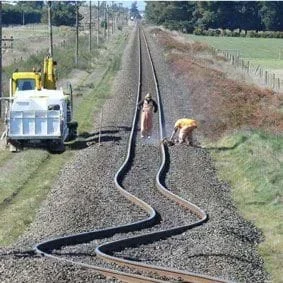
Earthquakes Living Lab: FAQs about P Waves, S Waves and More
Students learn what causes earthquakes, how we measure and locate them, and their effects and consequences. Through the online Earthquakes Living…
View Curriculum →
May 2014 Editor's Pick
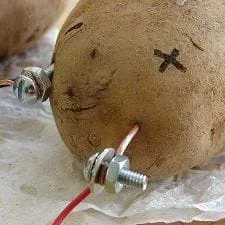
Potato Power
Students use potatoes to light an LED clock (or light bulb) as they learn how a battery works in a simple circuit and how chemical energy changes to…
View Curriculum →
April 2014 Editor's Pick
Straw Bridges
Working as engineering teams, students design and create model beam bridges using plastic drinking straws and tape as their construction materials.…
View Curriculum →
March 2014 Editor's Pick
Air Composition Pie Charts: A Recipe for Air
Why do we care about air? Breathe in, breathe out, breathe in... most, if not all, humans do this automatically. Do we really know what is in the air…
View Curriculum →
February 2014 Editor's Pick
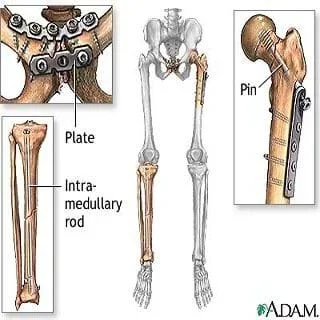
Bone Fractures and Engineering
Students learn about the role engineers and engineering play in repairing severe bone fractures. They acquire knowledge about the design and…
View Curriculum →
January 2014 Editor's Pick
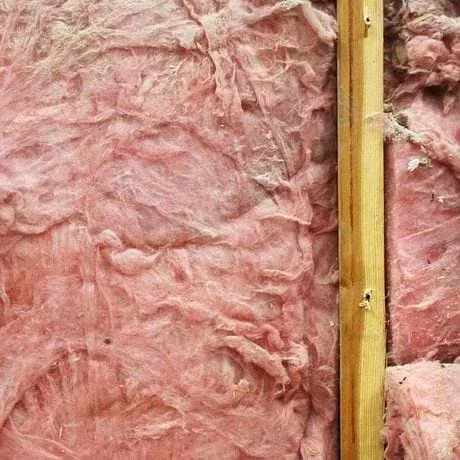
What Is the Best Insulator: Air, Styrofoam, Foil or Cotton?
That heat flows from hot to cold is an unavoidable truth of life. People have put a lot of effort into stopping this natural physical behavior…
View Curriculum →
December 2013 Editor's Pick
Building Roller Coasters
Students build their own small-scale model roller coasters using pipe insulation and marbles, and then analyze them using physics principles learned…
View Curriculum →
November 2013 Editor's Pick
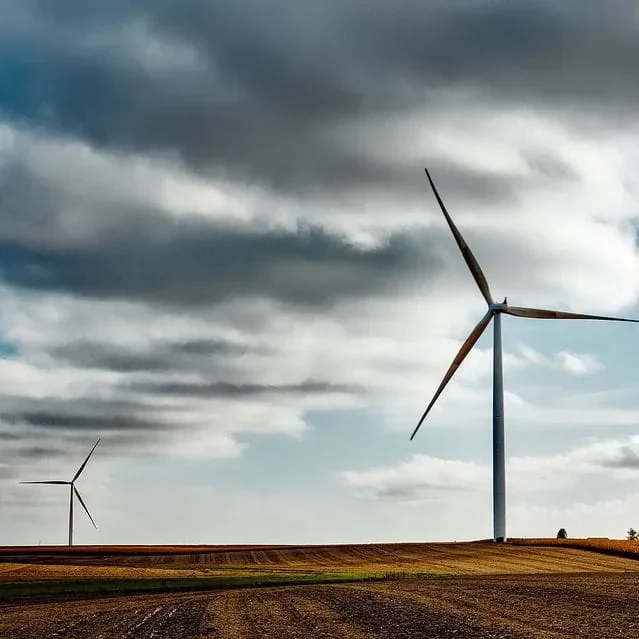
Wild Wind! Making Weather Vanes to Find Prevailing Winds
Students learn the difference between global, prevailing, and local winds. They make wind vanes out of paper, straws, and soda bottles and use them…
View Curriculum →
October 2013 Editor's Pick
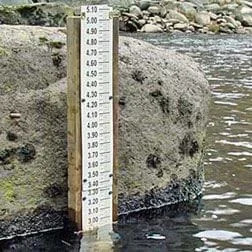
Flood Analysis
Students learn how to use and graph real-world stream gage data to create event and annual hydrographs and calculate flood frequency statistics.…
View Curriculum →
September 2013 Editor's Pick
All Fat Is Not Created Equal!
Students learn that fats found in the foods we eat are not all the same; they discover that physical properties of materials are related to their…
View Curriculum →
Previous
1
More pages
7
8
Next