
Nerve Racking
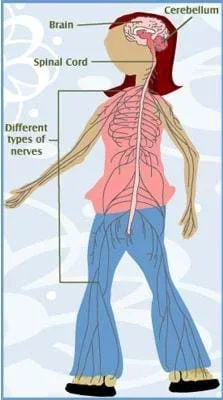 Figure 1. The human nervous system.Copyright GirlsHealth.gov http://www.4girls.gov/body/body_tool2.htm
Students learn about the function and components of the human nervous system, which helps them understand the purpose of our brains, spinal cords, nerves and five senses. In addition, how the nervous system is affected during spaceflight is also discussed.
Engineers develop better ways to save the brain from trauma and disease. They develop surgical and imaging equipment, such as the gamma-knife, deep brain stimulators and MRIs. Engineers also design brain saving devices such as protective sports helmets. They study the nervous system in order to create ways to regenerate damaged nerves so that people with spinal cord injuries may be able walk again. Engineers create sight devices from glasses to advanced vision tools (including a light sensor imbedded into the back of the eye) for people who cannot see at all or have difficulty seeing. Biomedical engineers create devices to aid people who have lost or are lacking full hearing capabilities. Engineers are also designing a drug that can keep astronauts from getting space-motion sickness, which is caused by conflicting sensory inputs.
After this lesson, students should be able to:
- Describe the functions and parts of the nervous system.
- Describe the role engineers play in designing biomedical equipment to help with the nervous system.
- Explain how the five senses are affected during spaceflight.
- Human body systems have basic structures, functions, and needs
Grade 5
Do you agree with this alignment?
- Technological advances have made it possible to create new devices, to repair or replace certain parts of the body, and to provide a means for mobility.
Grades 3-5
Do you agree with this alignment? - STEL-2F Describe how a subsystem is a system that operates as part of another, larger system.
Grades 3-5
Do you agree with this alignment?
- CCC.8.3-5.8 Engineers improve existing technologies or develop new ones to increase their benefits, to decrease known risks, and to meet societal demands.
Grades 3-5
Do you agree with this alignment? - CCC.4.3-5.2 A system can be described in terms of its components and their interactions.
Grades 3-5
Do you agree with this alignment?
Lesson 1 of this unit is useful to introduce the space aspect of this lesson.
The nervous system is in charge of coordinating the activity of the muscles, monitoring the body's organs, forming and processing input from the senses and initiating actions. It operates by using electrochemical impulses (electrical and chemical transmissions that travel through the body's network of fibers). It is divided into the central nervous system (CNS) and the peripheral nervous system (PNS). The CNS is made up of the brain and spinal cord, and the PNS consists of all the other nerves and neurons. The PNS is divided into the somatic nervous system and the autonomic nervous system. The somatic nervous system coordinates the body's movements and receives external stimuli (through the five senses), while the autonomic nervous system is responsible for involuntary actions. The autonomic nervous system is split into the sympathetic nervous system (responds to immediate danger and stress) and the parasympathetic nervous system (at work while a person is relaxed and resting).
The nervous system is composed of nerve cells or neurons. The three basic parts of a neuron are the cell body (makes up gray matter), the axon (makes up white matter), and dendrites (nerve endings). The cell body is the main part of the neuron and is what keeps the neuron alive. The axon is a long cord that carries a signal away from the neuron. It is often coated with a thin layer of fat (myelin), which protects the axon and helps the signal travel faster (similar to an insulated electric wire). Dendrites are small, branch-like objects that receive and integrate incoming signals (see Figure 2). Neurons may be as small as a few millimeters or as large as three or four feet (the longest runs from the base of the brain to the big toe). Once a neuron receives a signal, it passes it along to an adjacent neuron. The gap between neurons is called the synapse. The signal crosses this gap through electrical and chemical means, which "spark" the signal on the adjacent dendrites. Motor neurons control muscle contractions (fingers, toes, heart, intestines, etc.), and sensory neurons carry sensory information to the brain either directly or through the spinal cord. Interneurons connect nerve cells that shuttle signals back and forth between the brain, spinal cord, and other parts of the body.
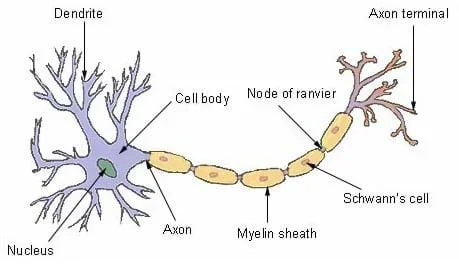 Figure 2. Neuron structure.Copyright U.S. National Cancer Institute's Surveillance, Epidemiology and End Results (SEER) Program http://training.seer.cancer.gov/
The brain is the center of the nervous system and is in charge of the rest of the body. It monitors and regulates unconscious bodily processes like breathing, body temperature and heart rate. It coordinates most voluntary movement (walking, talking, standing, etc.). It also takes in all the information that your senses (eyes, nose, etc.) gather and is the site of consciousness, dreams, thought, emotions and creativity. So knowing all this, what exactly is the brain? It is soft, gray and wrinkled and is made of close to 100 billion nerve cells (neurons) and more than 50 billion other cells. It is about the size of a head of cauliflower and weighs less than three pounds. The outer layer is called the cerebral cortex and is folded in on itself in order to fit inside the skull, as it is about the size of a pillowcase when completely spread out. The brain is divided into two sides by a deep crease: the left side of your brain controls the right side of your body and the right side of your brain controls the left side of your body. Some of the major parts of the brain are the brainstem, cerebellum, hypothalamus and cerebrum (cerebral cortex), as shown in Figure 3. The brainstem connects the cerebrum to the spinal cord and controls many important functions, such as cardiac and respiratory functions, as well as digestion and urination. The cerebellum is connected to the brain stem and controls complex motor functions (balance, posture, etc.). The hypothalamus works with the pituitary gland to control processes such as temperature, mood, hunger and thirst. The cerebrum is the largest part of the brain and is made up of four lobes: frontal, temporal, parietal and occipital. The cerebrum integrates information from all the sense organs to give you a complete picture of your surroundings, controls emotions, and holds memory and thought processes. Cerebrospinal fluid circulates through the brain and spinal cord, providing it with nutrients and helping protect it from injury.
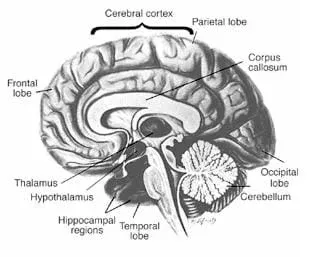 Figure 3. One half of a human brain.Copyright National Institutes of Health, National Institute on Alcohol Abuse and Alcoholism http://pubs.niaaa.nih.gov/publications/arh27-2/125-133.htm
Diseases that affect the functioning of the brain include alzheimer's, multiple sclerosis (MS), Parkinson's disease and brain tumors (cancer). Engineers have helped design pharmaceuticals—as well as advanced surgical technologies—to help treat brain disorders.
Touch
The spinal cord is an 18-inch, fibrous, rope-like structure that is surrounded by rings of bone or vertebrae (backbone), as illustrated in Figure 4. Nerves reach every millimeter of the surface of the skin. They send signals, such as pain, heat, cold or pressure to the spinal cord, which then takes it to the brain to be processed. Reflexes are when a signal is just sent to the spinal cord (that is, does not involve the brain), which immediately responds by sending another signal to the appropriate muscle group (or example, when your hand touches a hot stove, you have a reflex that immediately jerks your hand away to minimize bodily damage).
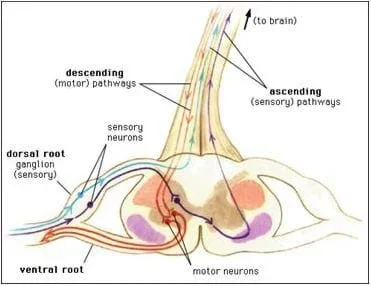 Figure 4. A cross-section of the human spinal cord.Copyright National Institutes of Health, Office of Science Education http://science-education.nih.gov/ home2.nsf/Educational+Resources/ Resource+Formats/Online+Resources/ +High+School/41B8971F1A21A38F85256CCD00631593
If a person suffers from a spinal cord injury, he can become paralyzed from the waist or even the neck down. He loses all ability to feel or move his limbs (paralysis) and is confined to a wheelchair for the rest of his life. Many biomedical engineers and doctors are diligently working on treatments to recover from paralysis, but currently it is a permanent condition. In the meantime, they have designed assistive technologies to improve peoples' quality of life: respirators, wheelchairs and other technologies to help keep people alive and able to move.
Sight
The eyes, often called the "windows to the soul," take in light, focus the images of the world on the retina, and transfer the information to the brain where it is interpreted into what we see. The eye sits in the eye socket, which is a cavity of bone that protects this delicate organ. The eyelids also protect the eye. They wash the eye with tears produced in lacrimal glands, and excess tears are drained away through tear ducts. Refer to the associated activity 20/20 Vision for students to gain an understanding of of what their own eyesight is, find an average vision for the class, and discuss technologies developed by engineers that are based on vision and eyesight.
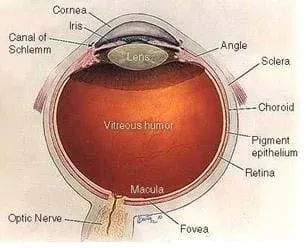 Figure 5. The human eye.Copyright U.S. Department f Health and Human Services, Girl Power! http://www.girlpower.gov/girlarea/images/objects/eye_diag2.jpg
The middle layer contains the iris, ciliary body and choroid. The iris controls how much light enters the eye. It dilates to let more light in through the pupil and contracts to let in less light. The iris is pigmented, which gives the eye its color. The ciliary body produces the aqueous humor and the vitreous humor, which are the jelly-like substances that fill the two eye cavities (see Figure 5). The aqueous humor fills the front cavity behind the cornea and in front of the iris. The vitreous humor fills the main cavity of the eyeball. The ciliary muscles transform the shape of the lens to focus images. The choroid, which makes up most of the middle layer of the eye, is spongy and soft and contains the blood vessels that supply the eye.
The innermost layer of the eye is the retina, which is where images are focused. The retina contains photoreceptor cells. Rods perceive light, dark, movement and shape, while cones perceive color. The lens, held in place by the ciliary ligaments, focuses the light entering the eye. The ciliary muscles alter the shape of the lens automatically, depending on how close objects are to the eye. At the back of the eye is the optic nerve, which branches in order to bring messages from the left eye to the right visual cortex of the brain and from the right eye to the left visual cortex of the brain.
Engineers have created eye devices for people who have trouble seeing or cannot see at all (glasses, contacts, Lasik eye surgery equipment, etc.). Electrical engineers have used their understanding of the eye anatomy and functioning to create a microchip that can be implanted into the back of the eye to work as a light sensor for people whose natural sensor does not work correctly or at all.
Hearing
The ear consists of three parts: the outer ear, middle ear and inner ear. The outer ear, or pinna, collects sound waves and directs them into the ear canal. The ear canal is a tube that connects the outer ear to the middle ear. Sound waves bounce back and forth along its length until they reach the middle ear. Students can expand their understanding of sound with the class oriented associated activity Sound Line where they rank various sounds according to their decibel levels.
The middle ear contains the eardrum, which vibrates when sound hits it after traveling through the ear canal. Three small bones in the middle ear conduct the sound from the eardrum to the inner ear. These bones are called the malleus, incus and stapes. The malleus acts like a mallet, hitting the incus, which is like an anvil. The incus vibrates in turn and causes the stapes to vibrate as well. The stapes is shaped like a stirrup and is connected to the incus by a ball and socket joint. The eustachian tube or auditory tube connects the middle ear with the back of the throat (see Figure 6). Excess fluid is drained away to equalize pressure on either side of the eardrum. As the stapes vibrates, it touches the oval window, which is the beginning of the inner ear.
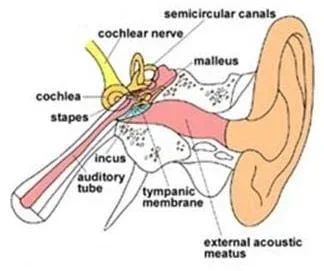 Figure 6. The human ear.Copyright National Center for Biotechnology Information, Genes and Diseases http://www.ncbi.nlm.nih.gov/books/bv.fcgi?rid=gnd.chapter.32
Behind the oval window are a series of canals. Two main structures are located here, the semicircular canals and the cochlea. Both of these structures are filled with fluid. When the stapes from the middle ear vibrates the oval window, the fluid in the inner ear also vibrates. Sensory hairs in the cochlea, which is shaped like a snail shell, pick up the sound vibrations and transmit signals to the brain, which receives the message as sound. The semicircular canals in the inner ear are arranged at right angles to each other. When fluid in these canals shift position, as when someone bends over, sensory hairs inside the canals are bent by the fluid, and messages are sent from the hairs to nerves which tell the brain that there has been a shift in position.
Deafness is caused by blockage of the ear canal, perforation of the eardrum, mechanical difficulties in the bones of the middle ear (fusion of the bones), or breaking the hairs in the cochlea. Disease, infection, birth defects and loud noise are also causes of deafness. Bioengineers have invented devices to treat deafness, including hearing aids, cochlear implants, placing tubes in the eardrum, and replacing part of the bones in the middle ear with wires. Engineers must have a great understanding of the ear and its physiology in order to design these amazing devices.
Smell
In order to smell something, molecules from that object must travel through the air and enter your nose. If an object does not give off an odor (such as steel), it is because nothing evaporates from it, or it is a non-volatile solid. Air molecules enter the nose through the two nostrils, which are separated by a wall called the septum. Behind the nose is a space called the nasal cavity, which is separated from the mouth by the palate, or the roof of the mouth (see Figure 7). At the top of the nasal passage are a group of neurons (olfactory epithelium) that are out in the open in order for them to come into contact with air passing in and out of the nose. This patch of neurons is about the size of a postage stamp and has hair-like projections (cilia) that bind to odor molecules. Smell receptors then send a signal to the olfactory bulb, which passes the signal to the brain to be interpreted. If smell receptors are damaged, then a person is unable to detect certain odors.
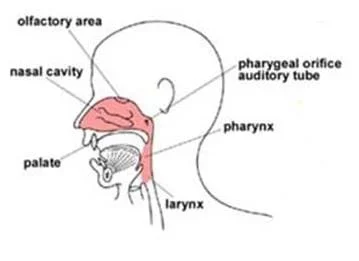 Figure 7. The nose and throat.Copyright National Center for Biotechnology Information, Genes and Diseases http://www.ncbi.nlm.nih.gov/books/bv.fcgi?rid=gnd.chapter.32
Taste
Your sense of taste is strongly tied to your sense of smell. You may have even noticed that foods taste differently if you have a cold and your sense of smell is impaired. Engineers even design food packaging to maintain or enhance the smell of the food inside. The tongue also gathers information about taste. The top of it is covered with a layer of bumps called papillae. These bumps help grip the food and contain taste buds. People are born with 10,000 taste buds, but may only have 5,000 at the end of their lives. The four types of taste buds are sweet (tip of the tongue), sour (side), bitter (back), and salty (all over the tongue). Each taste bud has tiny, sensitive hairs (microvilli) that send messages to the brain to be interpreted.
Microgravity
The space environment is completely different than that of Earth, and the sensory data that a body receives can be confusing. Your senses work together to provide your brain with information about your environment. For example, your eyes and inner ear both send signals to your brain about your body's position. Your eyes gather information by seeing the orientation of the objects around you (floor, ceiling, etc.), while your inner ear depends on the orientation of the hairs in the semicircular canals. These hair respond to gravity to determine which way is up and which way is down; without gravity present then, they are not able to do their jobs. In space, your eyes accurately tell you which direction is up and down, but your inner ear no longer has a vertical reference since little or no gravity exists in space. This causes your brain to receive conflicting signals and often results in headaches, nausea and vomiting. Because of this problem, astronauts are not permitted to leave the spacecraft for the first three days or so that they are in space. Why would you not want to be in a spacesuit (required to leave their spacecraft) when you are motion sick? Well, if you got sick inside the spacesuit, your vomit would have nowhere to go and you would end up inhaling it. Your vomit is very acidic due to the juices in your stomach, and inhaling it would cause the acid to eat through your lung tissue, which would kill you, quickly and painfully. Although this quite a graphic explanation, it is a good example of why it is important for engineers to understand how the nervous system works, especially how the senses work together. Eventually, the body adapts to this new environment by relying on its eyes for its position and ignoring most of the signals from the inner ear. Once the body adjusts, astronauts are able to leave the spacecraft in their spacesuits.
Another less serious affect that spaceflight has on your nervous system is suppressing your sense of smell. As mentioned in previous lessons, without the influence of gravity, your bodily fluids shift up to your head. This causes nasal congestion, kind of like a cold, and decreases your sense of smell in space. Your taste buds are not affected in space, but since rich flavors are largely dependent on smell, food tastes much blander. Of course, the lack of variety of food in space does not help the situation. Another result of the fluid shift is memory changes. This extra pressure on the brain—due to the excess fluid—is thought to be the cause of astronauts' memory problems in space. They often forget even simple instructions that another crewmember or mission control just told them seconds ago. Astronauts compensate for this by writing down notes when they are talking to someone else. Engineers have designed clothing with magnets, Velcro®, extra pockets and elastic so they can easily carry pens and pads of paper with them.
What if you could never see another sunset, hear another song by your favorite band, smell another rainstorm, feel another hug or taste another piece of apple pie? Not only does your nervous system enable you to fully experience the world around you, but it also protects you. Several different sense organs help you interpret what is going on in your environment (that is, help you stay safe) and these are all part of the nervous system (Figure 1). Your eyes keep you from running into objects, your ears alert you of oncoming cars, your nose detects smoke from fire, your skin let's you know if something is sharp and your taste buds inform you f the food you are eating has gone bad. All these signals are interpreted by the brain—the organ that runs the whole show.
You may think your heart is where you feel emotion or that your legs take you down the street, but it is actually your brain that controls your body. Together with your spinal cord, it coordinates all the different sensory signals, providing you with a complete picture of your surroundings, and controls your body's movement(s). All your thoughts, functions and memories originate in the brain. The brain is the most important organ of our nervous system: if damaged, it can cause personality changes, loss of motor control and even death. Biomedical engineers and doctors work side-by-side to develop better ways to save the brain from trauma and disease. They develop surgical and imaging equipment, such as the gamma-knife, deep brain stimulators and MRIs. Engineers also design brain-saving devices such as helmets.
Most of the brain's conscious activity has to do with visual images. Your eyes enable you see the world when light projects an image onto your retina. Engineers create sight devices from basic glasses to more advanced vision technology for people who cannot see well or at all. Other engineers have created a microchip that is implanted into the back of the eye for people who cannot see. The microchip works as a sensor of light for people when their natural light sensor does not work.
The ability to hear is a complex process that involves the vibration of tiny bones against a water-filled, snail-like structure (cochlea) that transfers electrical impulses to the brain, which you then process into known sounds. Biomedical engineers create devices to aid people who have lost or are lacking full hearing capabilities.
Amazingly, your nose can distinguish about 10,000 different smells! That is a lot to take in, but the brain helps us organize these smells. Odor molecules travel inside your nose to a patch of nerve cells that use smell receptors to send signals to the brain. Your sense of smell works closely with your sense of taste. You may have even noticed that foods taste differently if you have a cold because your sense of smell is impaired. At your next meal, pinch your nose closed while you take a bite of food and notice how your taste is changed. Engineers design food packaging to maintain or enhance the smell of the food inside. Your tongue distinguishes different taste (sweet, sour, bitter and salty) by using the 10,000 unique taste buds on it. Taste buds are the tiny bumps that you feel as you touch your tongue.
So, what happens if all these signals that your brain receives do not agree with each other? As a demonstration, everyone stand up next to your desk. Now raise one of your legs and balance there for a little while. Now put your leg down and close your eyes. Raise the same leg and again, try to balance. Did you notice a difference? Why do you think this is? You can balance much easier when your brain has input from your eyes and your inner ear (hairs in the semicircular canals). Both senses tell your brain if you are sitting, lying down, standing on your head, etc. Without both signals or with conflicting signals, your brain does not always interpret the information correctly.
This same thing happens when astronauts first get to space. The hairs in the inner ear respond to gravity to determine which way is up and which way is down; in a situation with little or no gravity, these little sensors are not able to do their jobs. In space, your eyes are able to tell which direction is up and down, but your inner ear no longer has a vertical reference. This causes your brain to receive conflicting signals in space and often results in headaches, nausea and vomiting. In fact, 2/3 of astronauts get sick, especially in their first time in space. This is the same reason that people on Earth get car sick (especially if they are reading while moving). In this situation, the inner ear correctly determines that the body is moving, while the eyes think the body is sitting still. That is why it is better to sit in the front seat while reading, so your eyes get a sense of motion and are not staring at the stationary seat in front of you. Eventually, a body in space adapts to this new environment by relying on the eyes for its position and ignoring most of the signals from the inner ear. Engineers are developing a space-motion sickness medicine to help astronauts not get sick but not make them sleepy either. Engineers also need to consider the importance of preventing further injury if one of the delicate parts of the body like the head are compromised. Students can conduct the associated activity Engineering a Mountain Rescue Litter to design and build small-sized rescue litter prototypes to evacuate injured people (modeled by a potato) from the backcountry.
Today we learned about the nervous system and how it helps the body move in the environment around us. Who can name one organ in the nervous system? (Possible answers: brain, ears, eyes, nose, spinal cord, taste buds and skin.) What is the main organ or "control center" of the nervous system? That's right, the brain! So, what happens if all these signals that your brain is receiving do not agree? Well, you may lose your balance or feel sick or have some other symptoms that let you know that your senses are off. Engineers do a lot to help with the nervous system. They create cutting edge technologies to help people prevent and treat brain injuries, and create ways to regenerate damaged nerves so that people with spinal cord injuries can walk again. Engineers create sight devices for people who cannot see or who have trouble seeing and hearing devices to help people who have lost or are lacking full hearing capabilities. Engineers are also working on a drug that can keep astronauts from getting space-motion sickness, which is caused by conflicting sensory inputs.
- aqueous humor
- A jelly-like substance in the space between the cornea and the lens of the eye.
- axon
- The long cord that carries a signal away from the neuron; part of the brain.
- brain
- The primary center for the regulation and control of bodily activities, receiving and interpreting sensory impulses, and transmitting information to the muscles and body organs. It is also the seat of consciousness, thought, memory and emotion.
- brainstem
- Connects the cerebrum to the spinal cord and controls many important functions such as cardiac and respiratory functions as well as digestion and urination.
- cerebellum
- Connected to the brain stem and controls complex motor functions (balance, posture, etc.).
- cerebrospinal fluid
- Circulates through the brain and spinal cord, providing it with nutrients and helping protect it from injury (serves as a cushion).
- cerebrum
- The largest part of the brain; made up of four lobes (frontal, temporal, parietal and occipital). It integrates information from all the sense organs (to give you a complete picture of your surroundings), controls emotions and holds memory and thought processes.
- choroid
- Middle layer of the eye; spongy and contains many blood vessels.
- ciliary body
- Produces aqueous and vitreous humor.
- ciliary muscle
- Attach to the lens of the eye; change the shape of the lens by stretching it.
- ciliary ligaments
- Connect the ciliary muscles to the lens.
- cochlea
- A snail-shaped structure in the inner ear; liquid in the cochlea vibrates and excites sensory hairs, which in turn passes messages to the brain decoded as sound.
- cones
- Photoreceptor cells in the retina, which perceive color.
- cornea
- Transparent layer in front of the eyeball; part of the outermost layer.
- dendrites
- Small, branch-like objects that receive and integrate incoming signals.
- ear canal
- The canal leading from the pinna to the ear drum.
- eardrum
- A membrane situated at the end of the ear canal that vibrates when sound vibrations occur.
- eustachian tube
- The tube that connects the middle ear to the back of the throat; drains excess fluid from the middle ear to equalize pressure on either side of the eardrum.
- eye lid
- Protects and bathes the eye.
- eye socket
- Also known as the orbit, it is a deep indentation in which the eyeball rests; protects the eyeball.
- hypothalamus
- Works with the pituitary gland to control processes such as temperature, mood, hunger and thirst.
- incus
- The second of the three bones of the middle ear; similar to an anvil; between the malleus and the stapes.
- iiner ear
- The inner most part of the ear containing the oval window, cochlea and semicircular canals.
- iris
- Ring of muscle surrounding the pupil; dilates to let in more light, and contracts to limit the amount of light entering the pupil.
- lacrimal glands
- Produce tears, which bathe the eye and keep it moist.
- lasik
- Acronym for laser-assisted in situ keratomileusis. A procedure that permanently changes the shape of the cornea to improve eyesight.
- left visual cortex
- The part of the brain that interprets the messages from the right eye.
- malleus
- The first of the three bones of the middle ear; shaped like a mallet.
- middle ear
- The middle part of the ear, containing the ear drum, malleus, incus and stapes.
- nasal cavity
- The cavity on either side of the nasal septum, extending from the nares to the pharynx, and lying between the floor of the cranium and the roof of the mouth.
- nervous system
- In charge of coordinating the activity of the muscles, monitoring the body's organs, forming and processing input from the senses, and initiating actions.
- neuron
- Nerve cells, which are composed of the cell body, the axon, and dendrites (nerve endings).
- olfactory bulb
- The bulb-like distal end of the olfactory lobe, where the olfactory nerves begin.
- optic nerve
- Carries messages from the eye to the brain.
- outer ear
- The outer part of the ear, including the pinna─which can be seen─and the ear canal.
- oval window
- The beginning of the inner ear; connected to the stapes of the middle ear.
- pinna
- The part of the ear that is seen.
- photoreceptor
- A cell that responds to light.
- pupil
- The space in the middle of the iris through which light enters the eye.
- retina
- The innermost layer of the eye, contains the rods and cones; images are focused in the retina.
- right visual cortex
- The part of the brain that interprets messages from the left eye.
- rod
- A photoreceptor cell that perceives light and dark, movement and shape.
- sclera
- The white, outermost layer of the eye.
- semi circular canals
- A series of bony canals set at right angles to each other in the inner ear; detect movement and position when hairs in the canals are bent over by liquid in the canals.
- spinal cord
- The thick, whitish cord of nerve tissue that extends from the medulla oblongata down through the spinal column and from which the spinal nerves branch off to various parts of the body.
- stapes
- The third of the three bones of the middle ear; shaped like a stirrup; connected to the incus by a ball and socket joint and touches the oval window.
- taste bud
- A nerve ending on the tongue that provides the sense of taste.
- tear duct
- Also called lacrimal duct. Drains away excess tears.
- vitreous humor
- A jelly-like substance that fills the eye and gives it its shape.
Pre-Lesson Assessment
Brainstorming: As a class, have students engage in open discussion. Remind them that in brainstorming, no idea or suggestion is "silly." All ideas should be respectfully heard. Take an uncritical position, encourage wild ideas and discourage criticism of ideas. Have them raise their hands to respond. Write their ideas on the board. Ask the students:
- Think of things that would be hard to do without your hearing, sight, etc.
Post-Introduction Assessment
Discussion Question: Solicit, integrate and summarize student responses.
- What does your nervous system do?
- Which of your five senses would you rather lose? Why?
- How do your five senses work together?
- Does your brain respond immediately to sensory inputs? Or does it take a long time?
- What happens when you touch something hot? How fast does it happen? Are you always in control of your reaction?
- Think of some good memories. Which parts of these memories are the strongest? (for example, the sight of the Grand Canyon, the sound of a concert, or the smell of a pizza.)
Voting: Ask a true/false question and have students vote by holding thumbs up for true and thumbs down for false. Tally the number of votes and write them on the board. Give the right answer.
- True or False: The brain helps us interpret all the signals from our nervous system. (Answer: True, the brain coordinates all the different sensory signals, or provides you with a complete picture of your surroundings, and controls your body's movement.)
- True or False: Electrical engineers have created a microchip that can be implanted into the back of the eye for people who have trouble seeing. (Answer: True, the microchip works as a light sensor for people when their natural light sensor does not work.)
- True or False: Astronaut's motion sickness in space has nothing to do with the nervous system. (Answer: False, in space, an person's eyes are still able to tell which direction is up and down, but the inner ear no longer has a vertical reference (because of little or no gravity). This causes the brain to receive conflicting signals in space and often results in headaches, nausea and vomiting.)
- True or False: Football helmets and automobile air bags are good ways to help save the brain from injury. (Answer: True, biomedical engineers and doctors work side by side to develop better ways to protect the brain from trauma and disease, such as helmets and safety gear.)
- True of False: It takes one minute to sense a change. (Answer: False, sensory information is transmitted to the brain almost immediately. The exact speed depends on the nerves, but generally transmission speeds are around 200 mph. Reactions require the information to be sent to the brain, analyzed, and for a signal to be send back, telling the body how to respond. Athletes highly develop these "roadways" so they are able to react quickly; their brains are very practiced in analyzing certain inputs and sending signals back to their muscles, indicating how to respond.
- True or False: Memories are stored in your brain. (Answer: True, sensory inputs travel to your brain, and if impactful enough, are stored.)
- True of False: We remember only the sight of things. (Answer: False, the signals from all of our senses may be stored and recalled; think of sound, smell and taste memories.)
Lesson Summary Assessment
One and Done: Ask students to think of something that involves using one of their five senses, and raise their hands (or indicate thumbs up) when they have an example. (Possible answers: licking a favorite ice cream, smelling a flower or spoiled milk, touching a sticky substance, listening to a favorite song, etc.). Call on students at random to state their answers (the activity and which of sense it uses). Students put their hands down once they have contributed an answer. No repeat answers permitted.
The Neuroscience for Kids website (http://faculty.washington.edu/chudler/introb.html#drugs) is a great resource for information and activities. For example, have students play a game of "brain freeze tag" or develop a brain limerick.
Have students research the effects of brain injuries. What have engineers helped develop for persons who have suffered brain trauma? What can engineers do to help prevent brain injuries in sports? One example is the development of better protective head gear, like helmets for specific sports.
Have students think about what it would be like to lose one of their senses. Have a discussion about the changes in lifestyle they may have to make. What could an engineer do to help a person work without five senses?
The WGBH Zoom website (http://pbskids.org/zoom/activities/sci/) provides many simple activities for students on the five senses, under "The Five Senses: Sense It!" section.
American Heritage Dictionaries, The American Heritage Dictionary of the English Language, Fourth Edition, New York: Houghton Mifflin Company, 2000.
Barnes, Deborah, PhD. Spinal Cord Injury. Research in the News: Spinal Cord Injury (Grades 9-12), Office of Science Education, National Institutes of Health. Accessed May 30, 2006. science.education.nih.gov
Brain Tumor Society, Patient Resources, "Brain Anatomy." Accessed May 30, 2006. http://www.tbts.org/itemDetail.asp?categoryID=295&itemID=16377
Burnie, David. The Concise Encyclopedia of the Human Body. New York, NY: Dorling Kindersley Limited, 1995; pp. 126-127.
Clayman, Charles M.D., ed. The Human Body: An Illustrated Guide to Its Structure, Function and Disorders. New York, NY: Dorling Kindersley Limited, 1995; pp. 175-180.
Elting, Mary. The Macmillan Book of the Human Body. New York, NY: Macmillan Publishing Company, 1986; pp. 80.
Haslam, Andrew and Barnes, Jon. World Book Encyclopedia. Body, Make It Work, Two-Can Publishers, 2000.
Kids Health, "What's That Smell? The Nemours Foundation. Accessed May 30, 2006. http://kidshealth.org/kid/body/nose_noSVV.html
Kids Health, "Stick Out Your Tongue and Say Aah! The Nemours Foundation. Accessed May 30, 2006. http://kidshealth.org/kid/tongue_noSVV_p2.html
Nervous System: Gamma-Knife Radiosurgery: Neurosurgery without a Scalpel. Published October 13, 2004. The Mayo Foundation for Medical Education and Research, MayoClinic.com. Accessed May 30, 2006. www.mayoclinic.com
Oscar–Berman, Marlene Ph.D., and Marinkovic, Ksenija Ph.D. Alcoholism and the Brain: An Overview. Publications, National Institute on Alcohol Abuse and Alcoholism, National Institutes of Health. Accessed May 30, 2006. http://pubs.niaa.nih.gov/publications/arh27-2/125-133.htm
Parker, Steve. Eyewitness Science: The Human Body. New York, NY: Dorling Kindersley Limited, 1993; pp. 38-40.
Parker, Steve. How the Body Works, London, UK: Dorling Kindersley Limited, 1994.
Rowan, Pete. Some Body! New York, NY: Alfred A. Knopf, 1995; pp. 29, 24-25.
Smith, Jack. Microchip Implants May Help Cure Blindness: Creating a Bionic Eye. Published 1998. ABC News. Accessed May 30, 2006. www.jwen.com/rp/articles/abc1.html
Sorkin, Donna L. "Cochlear Implant Candidacy and Outcomes: 2002 Update." Hearing LossAssociation of America, Vol. 23, No. 4, 9 July/August 2002, Accessed May 30, 2006. http://www.hearingpages.com/knowledge_base/articles/162cochlear-implantscochlear-implant-criteria
The Soundry. ThinkQuest, Oracle Education Foundation. Accessed May 30, 2006. http://library.thinkquest.org/1953/
Human Body (Understanding Science and Nature). Time Life Books. Alexandria, VA: Time Life Books, 1992.
National Institute on Deafness and Other Communication Disorders, U.S. Department of Health and Human Services, National Institutes of Health. Accessed May 30, 2006. www.nidcd.nih.gov
Body – Becoming a Woman, Learn about Your Whole Body – from Your Heart to Your Bones. March 2006. Office on Women's Health, the National Women's Health Information Center, U.S. Department of Health and Human Services. GirlsHealth.gov
Engineers. Last updated December 20, 2005. Bureau of Labor and Statistics, Office of Occupational Statistics, U.S. Department of Labor. Accessed May 30, 2006. www.bls.gov
Contributors
Jessica Todd; Emily Weller; Sara Born; Teresa Ellis; Denali Lander; Malinda Schaefer Zarske; Janet Yowell
Supporting Program
Integrated Teaching and Learning Program, College of Engineering, University of Colorado Boulder
Acknowledgements
The contents of this digital library curriculum were developed under grants from the Fund for the Improvement of Postsecondary Education (FIPSE), U.S. Department of Education and National Science Foundation (GK-12 grant no. 0338326). However, these contents do not necessarily represent the policies of the DOE or NSF, and you should not assume endorsement by the federal government.
Copyright
2005 by Regents of the University of Colorado