
Fighting Back!
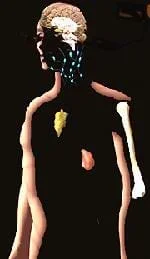 Figure 1. The organs of the immune system.Copyright National Library of Medicine http://www.nlm.nih.gov/ hmd/emotions/frontiers.html
Students learn about the major components and functions of the immune system and the role engineers play in keeping the body healthy through the design of medical care such as vaccinations and antibiotics. They also learn how an astronaut's immune system is suppressed during spaceflight due to stress and other environmental factors.
Chemical engineers study the immune system in order to develop treatments for people with compromised immunity. Vaccinations, antibiotics, disinfectants and sterilizers are designed by engineers in order to help keep people healthy. Additionally, environmental engineers work to keep the air we breathe and the water we drink free of toxins via air purifiers and water filters. Aerospace engineers need to understand the human immune system and how it is affected in space in order to prepare for longer missions that take astronauts further away from the medical resources on Earth.
After this lesson, students should be able to:
- Describe the basic functions of the immune system.
- List several invaders of the immune system, including viruses and bacteria.
- Describe what happens to the immune system in space.
- Give examples of engineering innovations related to the immune system.
- Human body systems have basic structures, functions, and needs
Grade 5
Do you agree with this alignment?
- Technological advances have made it possible to create new devices, to repair or replace certain parts of the body, and to provide a means for mobility.
Grades 3-5
Do you agree with this alignment? - STEL-2F Describe how a subsystem is a system that operates as part of another, larger system.
Grades 3-5
Do you agree with this alignment?
- CCC.8.3-5.8 Engineers improve existing technologies or develop new ones to increase their benefits, to decrease known risks, and to meet societal demands.
Grades 3-5
Do you agree with this alignment? - CCC.4.3-5.2 A system can be described in terms of its components and their interactions.
Grades 3-5
Do you agree with this alignment? - CCC.8.3-5.6 Engineers improve existing technologies or develop new ones.
Grade 4
Do you agree with this alignment?
Lesson 1 is useful to introduce the space aspect of this lesson, as well as Lesson 5 (or previous knowledge) about the functions of blood.
The immune system is the group of organs and tissues that protects the human body from outside biological influences (see Figure 1). It acts as a defense against foreign pathogens (such as bacteria, viruses and parasites), protects against some poisons and suppresses cancer cells. Bacteria and viruses (or germs) are the most common invaders. Bacteria are simple, completely independent, single-celled organisms that are able to eat and reproduce (think of them as fish swimming through your body). Bacteria can divide into two cells in 20 to 30 minutes; that means that one bacteria can become millions in only a few hours (see Figure 2). Viruses, on the other hand, are not really alive. They are DNA strands in a protective coating that use other cells to replicate. This hijacked cell either dies and bursts, freeing new virus particles, or splits off the viral particles (see Figure 3).
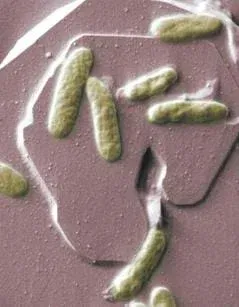 Figure 2. Bacteria.Copyright Oak Ridge National Laboratories http://www.ornl.gov/info/ ornlreview/v37_3_04/images/a02_bacteria_full.jpg
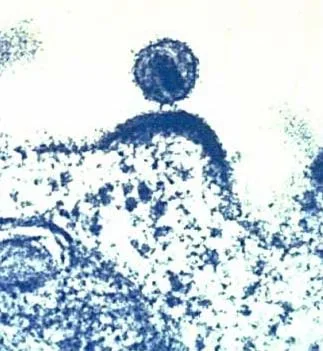 Figure 3. HIV virus budding out of a human immune cell.Copyright National Institutes of Health http://aidshistory.nih.gov/discovery_of_HIV/images/budding.gif
The immune system guards the body by recognizing objects that are supposed to be in the body (self) and those that are not supposed to be in the body (non-self). Once it has identified a harmful foreign or non-self agent, it launches an attack against it to remove it from the body. Problems can arise if the immune system is unable to distinguish between damaging non-self, harmless non-self, and self bodies. The immune system is divided into the innate immune system and the adaptive immune system. In other words, the immune system is programmed to recognize certain foreign bodies (such as various bacteria) while other times it must learn to recognize them (this is how vaccinations work). Once a body has experienced and recovered from certain diseases, it rarely suffers from them again (such as chicken pox or measles) because the body recognizes the virus and eliminates it before it can do anything. A vaccine is the injection into your body of a weakened form of a specific disease so that your immune system builds up antibodies and is able to defend against it (before you become infected with a strong form of the disease). This only works with diseases that do not rapidly mutate or have many different strains.
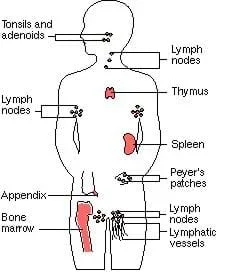 Figure 4. The organs of the immune system.Copyright National Institutes of Health http://www.niaid.nih.gov/final/immun/immun.htm
The human body's first line of defense includes the skin and mucus coatings that line the body openings, such as airways. This lining provides a physical barrier to help block germs from entering the body. The skin secretes antibacterial substances that kill the bacteria that land on it—essentially, this keeps the body from growing mold overnight! Tears, saliva and mucus keep germs from entering the body though the eyes, mouth and nose (for example, mucus traps dust to keep it from entering the lungs). Have you ever observed that if you blow your nose after being outside in high winds, you notice a bit of dirt on the tissue? That dirt was trapped by mucus to prevent it from entering the sinus cavity, like a filter. If a foreign body penetrates this outer barrier, the immune system tries to detect and eliminate it before it can multiply. If it is able to reproduce and cause problems, it is the job of the immune system to destroy this threat.
Inside the body, the major components of the immune system are the thymus, spleen, lymph system, bone marrow, white blood cells, antibodies, complement system and hormones. The thymus is located in the chest next to the heart, as illustrated in Figure 4. It produces T cells and is particularly important to babies as it keeps their immune systems from collapsing.
The spleen filters the blood—looking for foreign cells and red blood cells that need to be replaced. If people have their spleens removed due to illness or injury, they are at much higher risk of becoming ill in the future.
The lymph system extends throughout the body, similar to the way blood vessels do (except no pump, such as the heart, is involved). Lymph—a clear watery fluid—oozes into the system and is naturally pushed through the body via muscle motion, carrying water and nutrients to cells. The lymph system filters lymph and removes bacteria. When fighting certain bacterial infections, the lymph nodes become swollen so that you are able to feel them (usually in the neck). Tonsils, adenoids, Peyer's patches and the appendix are all lymphoid tissues. Figure 5 illustrates the lymph node structure.
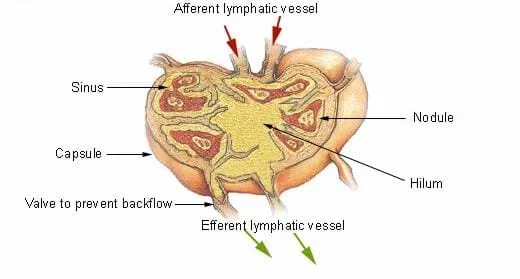 Figure 5. Lymph node structure.Copyright U.S. National Cancer Institute's Surveillance, Epidemiology and End Results (SEER) Program, Training website http://training.seer.cancer.gov/module_anatomy/unit8_2_lymph_compo1_nodes.html
The human body's bone marrow produces new red and white blood cells. White blood cells (or leukocytes ) are arguably the most important element of the immune system. Lymphocytes are a type of white blood cell that circulates in the lymph and blood, searching for foreign bodies to destroy. These white blood cells handle most of the bacterial and viral infections the body encounters. They are divided into B cells (mature in the bone marrow) and T cells (mature in the thymus). B cells secrete millions of antibodies (proteins that identify and neutralize foreign agents, such as bacteria and viruses) that mark foreign antigens for destruction by other immune cells. T cells orchestrate, regulate and coordinate the overall immune response. T cells trigger macrophages—cells that "eat" or engulf pathogens (agents that cause disease, such as viruses, parasites and bacteria), dead cells and cellular debris (see Figure 6). Human immunodeficiency virus (HIV) destroys T cells, leaving the body extremely susceptible to opportunistic infections (caused by malnutrition, chemotherapy, etc.) that would not normally kill a person not infected with the virus. Acquired immune deficiency syndrome (AIDS), a collection of symptoms and infections, is caused by HIV. Unfortunately, no cure is known for HIV or AIDS, and a person who has one or both of the diseases eventually dies; however, chemical engineers have discovered treatments for the two diseases and are striving to discover a cure.
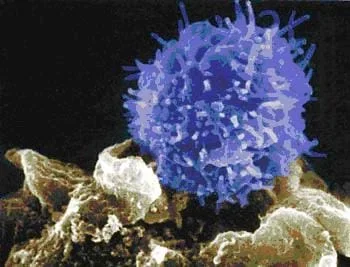 Figure 6. The immune system's principal means of defense—the T cell.Copyright Lawrence Berkeley National Laboratory http://www.lbl.gov/Publications/Currents/Archive/view-assets/Oct-03-2003/t-cell2.jpg
The complement system is a series of proteins produced by the liver. The complements work with the antibodies, causing infected cells to burst and then signal for that cell to be removed.
Several hormones are created by components of the immune system. Some hormones (tymosin) encourage lymphocyte production, while others (steroids and corticosteroids) suppress the immune system.
Sometimes the immune system is not able to keep up with the rapid rate of reproduction of certain types of bacteria. Antibiotics help the immune system before the toxins that the bacteria produce can cause permanent damage. (Note: Antibiotics only affect bacteria; they do not affect viruses since viruses are not alive.) Chemical engineers have designed antibiotics to kill bacteria cells without affecting normal cells in the body (for example, destroy the the bacteria's ability to build a cell wall). However, antibiotics can lose their effectiveness if the bacteria mutates into a new strain that differs from that which the medicine was not intended to destroy.
One example of an impaired immune system is the existence of allergies—when the immune system reacts to an allergen (such as pollen, dust, animal fur, certain food, etc.) that it normally ignores. Another issue is when the immune system attacks foreign organ and tissue transplants, which it does not recognize as "safe" and so tries to get rid of. Doctors try to minimize this problem by careful matching donors and recipients and using immunosuppressing medicines—which can, however, have side affects like making a person more susceptible to infection.
Did you know that inside your body you have a tiny "army" that protects you from invaders? This is your immune system. Millions of bacteria, viruses, toxins and parasites try to penetrate your body's "security system" every day. This is demonstrated through the speed with which an animal decomposes once it has died and its immune system is no longer protecting it. When you become sick, your body is not able to do everything that it can when it is healthy. Mechanical damage (such as broken bones and torn ligaments), vitamin deficiency (such as anemia if you do not get enough iron), organ decay, genetic disease and cancer are examples of a "sick" body. By learning about the immune system, you will understand how your body protects itself and in what ways it can fail. Food poisoning, inflamed/infected cuts and the flu are all examples of when your immune system permits germs or toxins to get into your body. Luckily, the immune system is a fast learner and will ultimately search out and destroy the intruders (otherwise you would be sick for the rest of your life!). Other times, your immune system makes mistakes, ending up attacking harmless cells. This is why some people have allergies or reject organ transplants.
The immune system is the group of organs and tissues that protects the human body from outside germs and harmful things (see Figure 1). It acts as a defense against foreign particles that want to enter your body, protects against some poisons and suppresses cancer cells. Your immune system includes your skin, tears, saliva and mucus—basically your "first line of defense" that blocks germs from entering the body. Tears, saliva and mucus keep germs from entering the body though the eyes, mouth and nose. Inside the body, the major components of the immune system are the thymus, spleen, lymph system, bone marrow, white blood cells, antibodies, complement system and hormones.
Bacteria and viruses are some of they body's biggest trouble makers. Bacteria are independent little creatures that roam around inside your body, while viruses invade your healthy cells to multiply since they are not actually alive. Vaccinations and antibiotics are developed by chemical engineers to help your immune system fight some of the nastier germs. They have also created (and improved upon existing) cleaning agents and disinfectants to help kill germs in your house before they invade your body. Medical professionals use sterilizing equipment to ensure their utensils and "tools of the trade" are clean and will not infect patients with bacteria and viruses. And, environmental engineers work on keeping the air that we breathe and the water that we drink free of toxins (through the design of air purifiers and water filters). Without the advancements that provide us with clean air and water, we would be more at risk to become dangerously sick from breathing poor air and using/drinking inferior water.
What happens in outer space to astronauts' immune systems? Is the immune system affected by spaceflight? Yes, spaceflight definitely has an affect on the immune system—although engineers are still searching for answers as to what really causes this disturbance to the body. One of the reasons is stress. Astronauts' stress levels tend to rise during spaceflight because of difficulty in adapting to microgravity, the risks involved with spaceflight, isolation from friends and family, close living quarters, sleep deprivation, the absence of a day and night cycle, busy work schedules, etc. Remaining in a state of stress for long periods of time can affect the immune system because the body deals with its current stress rather than with immunity (since it views it as a more immediate problem). This results in cuts taking longer to heal and colds lingering longer than usual due to the presence of stress. Immune suppression also makes astronauts more susceptible to common illnesses from bacteria and re-infections from viruses (such as cold sores). Another reason the immune system does not work as well in space might be the immune system's dependency on bone marrow. In space, astronauts lose bone mass (up to 2% per month), which ultimately affects the production of white blood cells, which help attack the body's invaders. Other variables that might affect the immune system are microgravity and radiation exposure.
Another problem astronauts encounter is the closed spacecraft environment that increases the risk of spreading illness among crewmembers. To minimize these risks, astronauts undergo immunizations and are quarantined for seven to 10 days before launch so that they are not exposed to as many germs as if they were out and about in public places. One way to evaluate how the immune system changes during spaceflight is to take blood samples from astronauts before and after missions. Blood samples taken during spaceflight are not very accurate due to the fact that they would need to be frozen for later analysis (the equipment to analyze blood does not work in microgravity); however, refrigeration can kill cells or cause some of them to change their function. Urine and saliva—since neither has to be refrigerated—are used to measure the concentration of viruses during spaceflight. Then this information is compared to the data collected before and after missions to see if the number of viruses increases during spaceflight.
Engineers design the equipment used for collecting and measuring the immunity of astronauts. Engineers also make make sure to design the spacecraft environment to keep astronauts as healthy as possible. Before a longer mission, such as a flight to Mars, could be safely attempted, a lot of research needs to be done. Today we are going to look more at the body's immune system and what engineers have created to help keep this system functioning and healthy. Students can act as engineers with the Hot or Not activity to explore the immune system and temperature by creating model thermometers and completing temperature conversion worksheets.
What does the immune system do? It protects the human body from outside germs and harmful things. It is the group of organs and tissues that act as the human body's defense against foreign particles that want to enter the body. Who remembers the immune system's first line of defense? (Listen to student answers.) This includes your skin, tears, saliva and mucus. Your body's attackers include tiny bacteria and viruses. Which of these is alive? (Answer: Bacteria.) Bacteria are tiny independent creatures that roam around inside our bodies, while viruses invade our healthy cells to multiply since they are not alive.
How do engineers help our immune systems stay healthy? Chemical engineers develop vaccinations and antibiotics that help our immune systems fight some of the most threatening germs. Engineers also design cleaning agents and disinfectants to kill germs in our houses. Environmental engineers work on keeping the air we breathe and the water we drink free of toxins, for example, by designing air purifiers and water filters. Engineers design the systems intended to keep astronauts' immune systems as healthy as possible while traveling in space, including developing the instruments to monitor immunity during space travel.
Basically, the immune system keeps all of our tissues and organs safe from germs and other foreign substances. It is important to take care of this system by eating real food, drinking enough clean water and getting good sleep.
- antibiotic
- A substance, such as penicillin or streptomycin, produced by or derived from certain fungi, bacteria, and other organisms, that can destroy or inhibit the growth of other microorganisms.
- antibody
- A Y-shaped protein on the surface of B-cells that is secreted into the blood or lymph in response to an antigenic stimulus, such as a bacterium, virus, parasite, or transplanted organ, and that neutralizes the antigen by binding specifically to it.
- b cell
- A cell that matures in the bone marrow and secretes millions of specific antibodies that are tuned in to kill a certain germ.
- bacteria
- Simple, completely independent, single-celled organisms that are able to eat and reproduce; many pathogens are bacteria.
- bone marrow
- Soft, fatty, vascular tissue that fills most bone cavities and produces new red and white blood cells.
- complement system
- A series of proteins that are produced by the liver and work with antibodies.
- immune system
- The organ system that protects the body from outside biological influences.
- lymph
- Clear, watery fluid derived from body tissues that contains white blood cells and circulates throughout the lymphatic system.
- lymph system
- Filters lymph and removes bacteria.
- lymphocyte
- Any of the nearly colorless cells found in the blood, lymph, and lymphoid tissues, constituting approximately 25 percent of white blood cells (including B-cells and T-cells).
- pathogen
- Biological agent that can cause disease in the body.
- spleen
- Large, highly vascular lymphoid organ that lies left of the stomach below the diaphragm. It stores blood, disintegrates old blood cells, filters foreign substances from the blood, and produces lymphocytes.
- t cell
- A cell that matures in the thymus and is involved in an immune response that does not have to do with antibodies. T-cells activate macrophages, which are cells that "eat" or engulf pathogens, dead cells and cellular debris.
- thymus
- A ductless gland located in the chest cavity next to the heart. It produces T-cells and plays an important role in the early development of the immune system.
- vaccine
- A weakened form of a disease is injected into the body for the purpose of building up the immune system against it.
- virus
- A small, non-living particle that infects/invades other cells in the body in order to reproduce itself.
- white blood cell
- A cell that destroys bacteria and viruses.
Pre-Lesson Assessment
Discussion Question: Solicit, integrate and summarize student responses.
- Have you ever been sick or had a cold? What does your body do when you are sick? What are some reactions you may have that help you get better? (Example answers: Fever, vomit, sneeze, cough to get rid of germs, etc.)
Post-Introduction Assessment
Brainstorming: As a class, have students engage in open discussion. Remind them that in brainstorming, no idea or suggestion is "silly." All ideas should be respectfully heard. Encourage wild ideas and discourage criticism of ideas. Have students raise their hands to respond. Write their ideas on the board. Ask the students:
- How do engineers help our immune system stay healthy?
Idea Web: Ask students to brainstorm a list of dangers to the body's immune system. (Possible examples: bacteria, viruses, broken bones, diseases, cancer, etc.) What effects do these dangers have on us and our environment? (Possible examples include: symptoms of the flu or a cold.) What are possible solutions for reducing these types of dangers? (Examples include washing hands, sneezing intotissues, vaccinations, antibiotics, etc.) Would any of these solutions be useful to astronauts in space? (Answers will vary depending on the solutions.)
Lesson Summary Assessment
Send-a-Problem: Divide the class into teams of two or three students each and have them write their own questions about the immune system. Each student on a team creates a flashcard with a question on one side and the answer on the other. If the team cannot agree on an answer they consult the teacher. Pass the flashcards to the next team. Each member of the team reads a flashcard, and everyone attempts to answer it. If they are right, they pass the card on to another team. If they feel they have another correct answer, they can write it answer on the back of the flashcard as an alternative answer. Once all teams have tested themselves on all the flashcards, clarify any questions.
Bingo: Provide each student with a sheet of paper containing a list of the following lesson vocabulary terms: immune system, virus, bacteria, antibodies, vaccine and chemical engineer. Have each student walk around the room and find a student who can define one vocabulary term. Have the students write down the definition on their papers. Students must find a different student for each word. When a student has all terms completed s/he shouts "bingo!" Continue until two or three (or most) students have bingo. Ask the students who shouted "bingo!" to give definitions of the vocabulary terms.
Vaccinations are made from the bacteria or viruses that cause a disease. Have students research common vaccinations and make recommendations for which vaccinations would be important for astronauts before they go into space. A good site for common childhood vaccines is: https://www.cdc.gov/mmwr/preview/mmwrhtml/mm5451-Immunizationa1.htm?s_cid=mm5451-Immunizationa1_e
Many people have allergies. Allergies happen when the immune system attacks an object or chemical as if it were a dangerous germ. Have students investigate allergies and how the immune system responds to them. What happens if an astronaut has an allergy in space? What methods are used to boost the immune system to deal with allergies?
Bell, Trudy E. National Aeronautics and Space Administration, Space Research, The Office of Biological and Physical Research, Research and Projects, "In Sickness and in Health: Immunity and the Stressed Astronaut," March 2003, http://spaceresearch.nasa.gov/research_projects/immune_12-2002.html
National Institute of Allergy and Infectious Diseases, NIAID Net News, The Immune System, September 25, 2003, http://www.niaid.nih.gov/final/immun/immun.htm
National Institutes of Health, "In Their Own Words... NIH Researchers Recall the Early Years of AIDS," June 4, 2001, http://aidshistory.nih.gov/discovery_of_HIV/images/budding.gif
Oak Ridge National Laboratories, Review, Systems Biology: Advancing at a Breathtaking Pace, Volume 37 Number 3, 2004, http://www.ornl.gov/info/ornlreview/v37_3_04/images/a02_bacteria_full.jpg
U.S. Department of Health and Human Services, Centers for Disease Control and Prevention. Morbidity and Mortality Weekly Reader, January 6, 2006, 54(52);Q1-Q4 "Recommended Childhood and Adolescent Immunization Schedule – United States, 2006. Harmonized Childhood and Adolescent Immunization Schedule, 2006," http://www.cdc.gov/mmwr/preview/mmwrhtml/mm5451-Immunizationa1.htm?s_cid=mm5451-Immunizationa1_e
Wein, Harrison. National Institute of Health, Word on Health, October 2000, "Stress and Disease," http://www.nih.gov/news/WordonHealth/oct2000/stressfigure.htm
Wikipedia, The Free Encyclopedia. "Immune System," http://en.wikipedia.org/wiki/Immune_system
Yaris, Lyn. Lawrence Berkeley National Laboratory, Currents, "Computers Identify T Cell Turn-Ons," edited by Pamela Patterson, October 3, 2003, http://www.lbl.gov/Publications/Currents/Archive/view-assets/Oct-03-2003/t-cell2.jpg
Contributors
Teresa Ellis; Denali Lander; Malinda Schaefer Zarske; Janet Yowell
Supporting Program
Integrated Teaching and Learning Program, College of Engineering, University of Colorado Boulder
Acknowledgements
The contents of this digital library curriculum were developed under grants from the Fund for the Improvement of Postsecondary Education (FIPSE), U.S. Department of Education and National Science Foundation (GK-12 grant no. 0338326). However, these contents do not necessarily represent the policies of the Department of Education or National Science Foundation, and you should not assume endorsement by the federal government.
Copyright
2006 by Regents of the University of Colorado