Space
Engineers love to explore new designs, new projects and new endeavors into the unknown.
The ongoing deep dive into outer space pushes engineers to work together to innovate products and machines that are out of this world!
Exploration into space and neighboring planets has resulted in many awe-inspiring engineering feats—like Armstrong’s moon landing, the launches of the 16 Mars Landers and 5 sub-landers, the design and maintenance of the International Space Station and more!
Human space exploration allows engineers and scientists to dig into fundamental questions about the history of the solar system and the various phenomena of space, pushing boundaries on new technologies and creating new industries.
It takes multidisciplinary teams with various experiences and viewpoints to peer into the unknown, unravel the secrets of the universe and make sense of space phenomena! Space travel is made possible by many different types of engineers — including the aerospace engineers who design, model and test the spacecraft, the mechanical engineers who design and create the hardware components, and the electrical and computer engineers who design the systems controlling the transportation and automation of the spacecraft and satellites.
And, more types of engineers contribute their unique skills and knowledge: chemical engineers design and optimize the rocket fuel to maximize the spacecraft launch and minimize the environmental impacts while biomedical engineers design methods and devices to keep astronauts’ healthy while traveling in space.
Engineers of all disciplines shape the past, current and future explorations into space.
Space Curricula
Blast off into our curated resources featured here, by grade band, to engage your K-12 students in making sense of phenomena and the wonders of engineering in space!
Coming Soon!
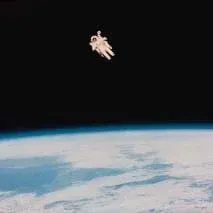
 LessonVideoSpaced OutStudents are introduced to the space environment, learning about the major differences between the environment on Earth and that of outer space…
 ActivityVideoSpace ShelterStudents are given the following engineering challenge: "The invasion has taken place and we need to find a new home. To ensure your survival beyond…
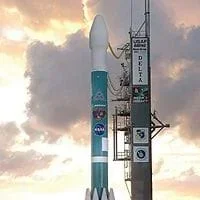 LessonVideoUsing Thrust, Weight & Control: Rocket Me into SpaceOne exciting challenge for engineers is the idea of exploration. Through the continuing storyline of the Rockets unit, this lesson looks more closely…
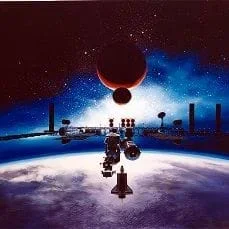 ActivityVideoSpacecraft Design: Beat the Heat!To understand the challenges of satellite construction, student teams design and create model spacecraft to protect vital components from the harsh…
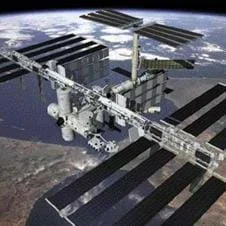
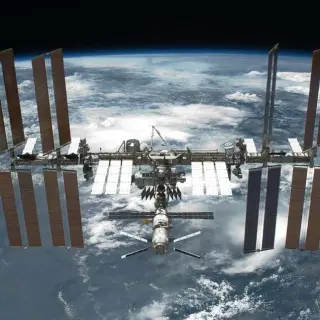 LessonLife in Space: The International Space StationStudents are introduced to the International Space Station (ISS) with information about its structure, operation and key experiments. The ISS itself…
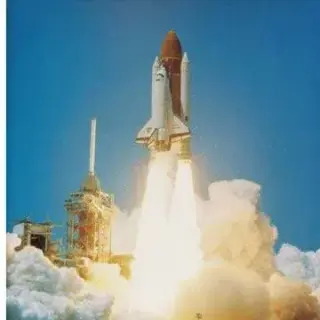 LessonVideoDestination Outer SpaceStudents acquire a basic understanding of the science and engineering of space travel as well as a brief history of space exploration. They learn…
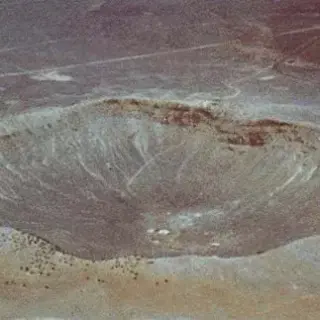 ActivityEarth ImpactThis activity poses the question: What would happen if a meteor or comet impacted Earth? Students simulate an impact in a container of sand using…
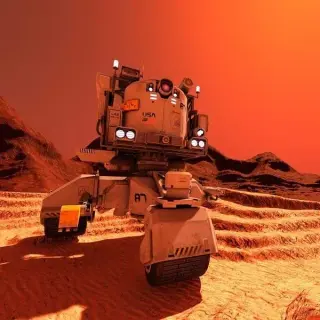 ActivityRobots on Ice Engineering ChallengeIn a simulation of potential future space missions to Europa, one of Jupiter’s moons, student teams are challenged to direct a robot placed in an…
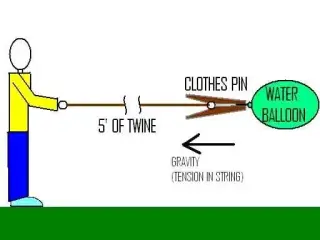 ActivityVideoThe Great Gravity EscapeStudents use water balloons and a length of string to understand how the force of gravity between two objects and the velocity of a spacecraft can…
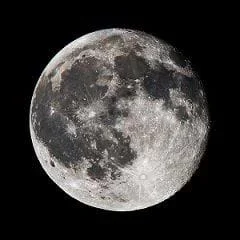 ActivityVideoMy Moon ColonyStudents are introduced to the futuristic concept of the moon as a place people can inhabit. They brainstorm what people would need to live on the…
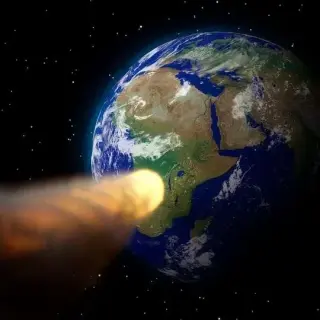 LessonAsteroidsStudents learn some basic facts about asteroids in our solar system, mainly about the size of asteroids and how that relates to the potential danger…
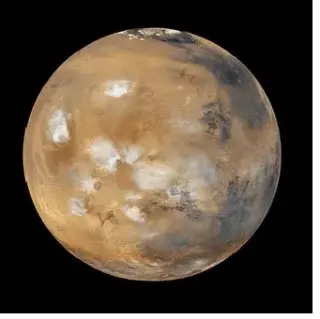 ActivityVideoAn Inflated Impression of MarsStudents use scaling from real-world data to obtain an idea of the immense size of Mars in relation to the Earth and the Moon, as well as the…
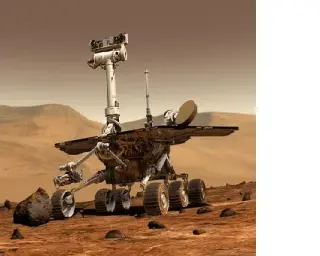 ActivityEdible Rovers – High SchoolStudents act as Mars exploratory rover engineers, designing, building and displaying their edible rovers to a design review. To begin, they evaluate…
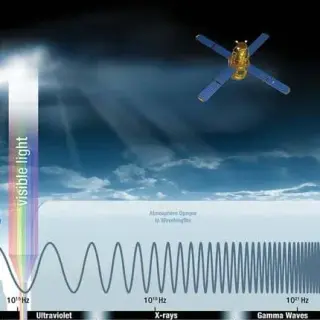 LessonShielding from Cosmic Radiation: Space Agency ScenarioThere is increasing interest in human space exploration beyond the Moon’s orbit, such as venturing to Mars. However, the effects of radiation are…