Energy
Energy is essential to all living organisms, and provides insight into real-world phenomena that engineers rely on to innovate.
Engineers study the different forms of energy to help create things that make our lives easier.
Energy is the ability to do work and is abundant in our everyday life. Energy comes in many forms – thermal, radiant, kinetic, potential, electrical, chemical, nuclear or mechanical – and exists as a part of everything we do, from walking to school or sending astronauts into space. According to the law of conservation of energy , energy can neither be created nor destroyed. Energy can, however, be changed from one form to another.
Engineers apply their understanding of energy, including its principles and behavior, to solving real-world problems. This results in the design of everyday products such as cell phones, computer software, electronic music, batteries, radio and television broadcasting, or cameras.
Today’s engineers understand the need for renewable energy sources as the world’s energy consumption continues to grow with finite resources. They design methods to capture renewable energy sources – solar, hydro and wind power – to produce clean energy and reduce greenhouse gas emissions.
Engineers assess the situation and make a difference
During the design process, engineers keep in mind the needs of the application, and optimize a product's characteristics such as power output, ability to recharge, reliability, size, safety, heat generation, length of life cycle, abuse tolerance, cost and ability to be recycled.
Engineers are constantly researching and improving alternative energy sources such as geothermal power, solar power and biomass energy to slow the emission of greenhouse gases.
Energy Curricula
Energize your students with the resources featured here, by grade band, to help them make sense of real-world phenomena related to energy!
 ActivityChasing the SunSolar energy has almost limitless potential to power our needs, and best of all it is exceptionally clean! However, the challenge lays in how to…
 ActivityVideoDo Different Colors Absorb Heat Better?Students test whether the color of a material affects how much heat it absorbs. They leave ice cubes placed in boxes made of colored paper (one box…
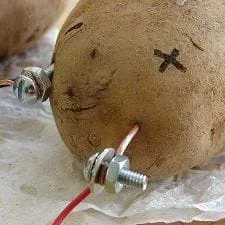 ActivityVideoPotato PowerStudents use potatoes to light an LED clock (or light bulb) as they learn how a battery works in a simple circuit and how chemical energy changes to…
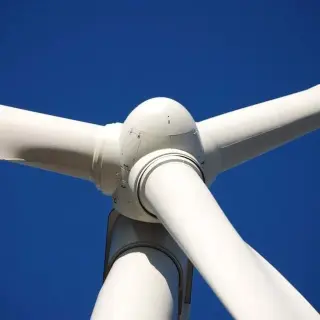 ActivityVideoWind Power! Designing a Wind TurbineStudents learn how engineers transform wind energy into electrical energy by building their own miniature wind turbines and measuring the electrical…
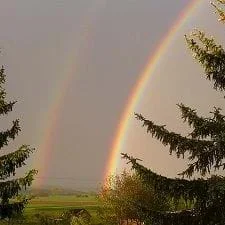 LessonThe Energy of LightIn this introduction to light energy, students learn about reflection and refraction as they learn that light travels in wave form. Through hands-on…
 ActivityVideoWind-Powered Sail CarsStudent pairs design and construct small, wind-powered sail cars using limited quantities of drinking straws, masking tape, paper and beads. Teams…
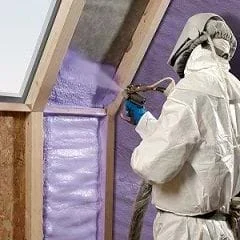 ActivityVideoStop Heat from Escaping: Testing Insulation MaterialsOne way to conserve energy in a building is to use adequate insulation to help keep hot or cool air inside or outside of the structure. Inefficient…
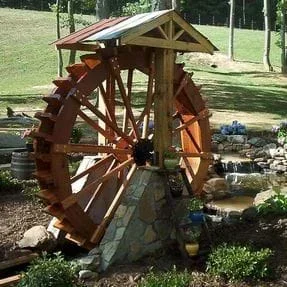 ActivityVideoWaterwheel Work: Energy Transformations and Rotational RatesStudents learn the history of the waterwheel and common uses for water turbines today. They explore kinetic energy by creating their own experimental…
 ActivityVideoBombs Away! Egg Drop ExperimentStudents design and build devices to protect and accurately deliver dropped eggs. The devices and their contents represent care packages that must be…
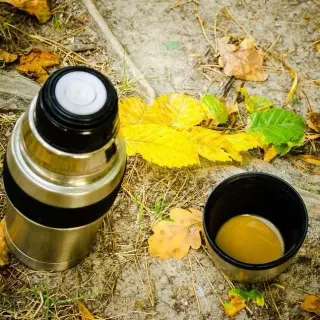 ActivityVideoKeep It Hot!Student teams design insulated beverage bottles with the challenge to test them to determine which materials (and material thicknesses) work best at…
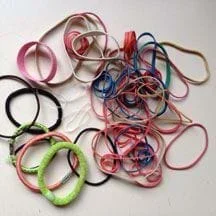 ActivityVideoSpool Racer Design & CompetitionStudents makes sense of how potential energy (stored energy) can be converted into kinetic energy (motion). Acting as if they were engineers…
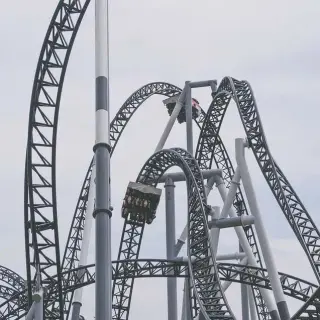 LessonMove It! Conservation of Energy & Energy Transfer in CrashesStudents learn how the conservation of energy applies to impact situations such as a car crash or a falling objects. Mechanical energy is the most…
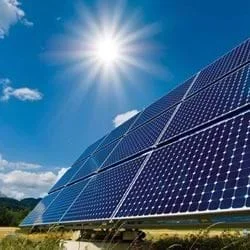 ActivityVideoEnergy ConversionsStudents evaluate various everyday energy conversion devices and draw block flow diagrams to show the forms and states of energy into and out of the…
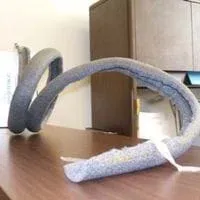 ActivityVideoBuilding Roller CoastersStudents build their own small-scale model roller coasters using pipe insulation and marbles, and then analyze them using physics principles learned…
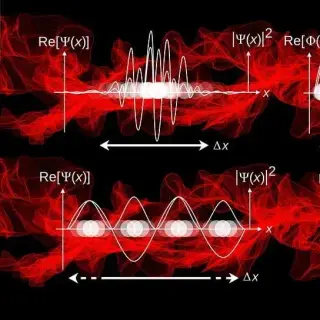 ActivityNanoparticles & Light Energy Experiment: Quantum Dots and ColorsStudents are introduced to the physical concept of the colors of rainbows as light energy in the form of waves with distinct wavelengths, but in a…
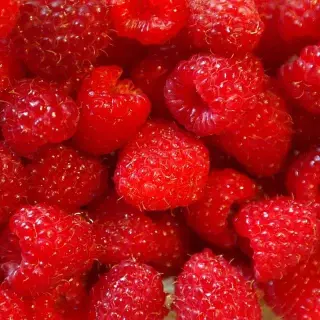 ActivityOrganic Solar Energy and BerriesStudents learn about how a device made with dye from a plant, specifically cherries, blackberries, raspberries and/or black currents, can be used to…
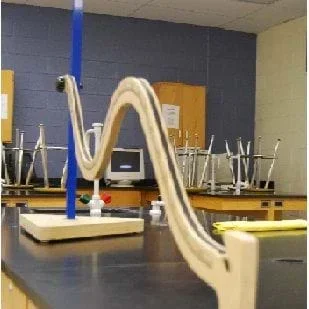 ActivityEnergy on a Roller CoasterStudents learn about the conservation of energy and the impact of friction as they use a roller coaster track to collect position data and then…
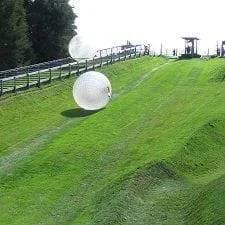 ActivityEnergy in Collisions: Rolling Ramp and Review (for High School)In this hands-on activity—rolling a ball down an incline and having it collide into a cup—the concepts of mechanical energy, work and power…
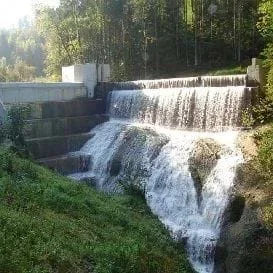 LessonConservation of Energy: Pushing It Off a CliffThis lesson focuses on the conservation of energy solely between gravitational potential energy and kinetic energy, moving students into the Research…
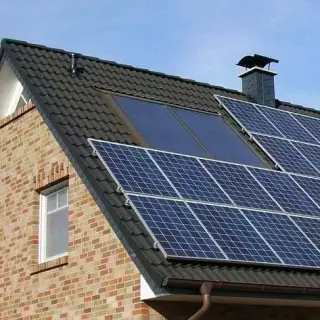 LessonOff the GridStudents learn and discuss the advantages and disadvantages of renewable and non-renewable energy sources. They also learn about our nation's…