Natural Disasters
Natural disasters are unavoidable occurrences that can have a profound effect on communities across the world.
Our ability to predict and prepare for natural disasters relies, in part, on engineers who innovate new solutions to mitigate the worst effects from these events.
There are many types of natural disasters, including, but not limited to:
- Earthquakes: shifts of fault lines on tectonic plates in the Earth's crust.
- Tsunamis: large waves that often occur following earthquakes or volcanic eruptions.
- Hurricane/Tropical cyclones: storms with high winds and heavy rain, often formed in warmer seas and oceans.
- Tornadoes: violent rotating columns of air that generate extremely strong winds; storms that produce tornadoes might also produce torrential rains and hailstorms.
- Floods: an overflow of dry land that can be caused by heavy rainfall or even the failure of a dam.
- Wildfires: an unplanned and uncontrolled fire, often caused by lightning or human activity.
- Droughts: prolonged periods of drier-than-normal climate conditions that can lead to crop failures and water shortages.
- Landslides: caused by a variety of factors including earthquakes, heavy rain, and human activities such as logging and mining.
- Snowstorms and blizzards: severe winter storms with heavy snow and strong winds.
- Heatwaves: prolonged periods of hot weather that can lead to heat stroke and other heat-related illnesses.
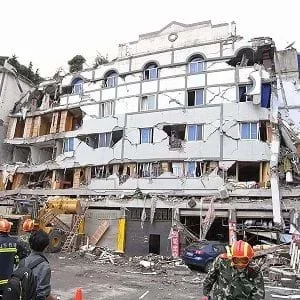
Engineers respond to natural disasters by assessing and repairing damage to infrastructure, such as roads, bridges, and buildings. They may also design improvements to make structures more resilient. For example, a structural engineer may design a building with features like reinforced walls and a stronger foundation to make it more resistant to earthquakes.
Engineers may also work on developing early warning systems and evacuation plans to help keep people safe during a disaster. For example, an engineer might design a system that uses sensors to detect the early stages of an earthquake and send an alert to people in the affected area.
In addition to responding to the immediate effects of a disaster, engineers may also work on long-term recovery efforts. This can include designing and building temporary housing for people who have lost their homes and working on projects to restore and rebuild damaged infrastructure.
Overall, the work of engineers is essential in navigating natural disasters and helping communities recover. Their expertise and knowledge helps to ensure that people affected by these events can rebuild and move forward.
Natural Disasters Curricula
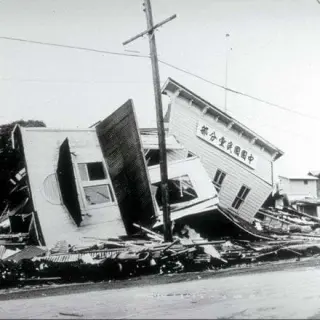 ActivityVideoEngineering to Prevent Natural Disasters: Save Our City!Students learn about various natural hazards and specific methods engineers use to prevent these hazards from becoming natural disasters. They study…
 LessonNaturally DisastrousStudents are introduced to natural disasters and learn the difference between natural hazards and natural disasters. They discover the many types of…
 LessonVideoEarthquake Formation: Crust, Plates, Currents, Drift and FaultsStudents learn about the structure of the earth and how an earthquake happens. In one activity, students make a model of the earth including all of…
 ActivityVideoDrifting ContinentsThis activity is a teacher-led demonstration of continental drift and includes a math worksheet for students involving the calculation of continental…
 ActivityVideoFaulty MovementStudents are introduced to faults in the context of plate tectonics. They learn about different kinds of faults and their relationship to…
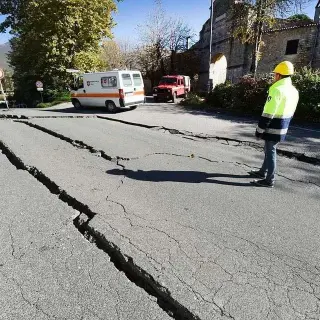 LessonEarthquakes Rock!Students learn the two main methods to measure earthquakes, the Richter Scale and the Mercalli Scale. Students are challenged by the associated…
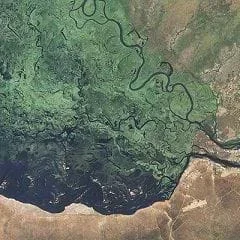 ActivityVideoFloodplain ModelingStudents explore the impact of changing river volumes and different floodplain terrain in experimental trials with table top-sized riverbed models.…
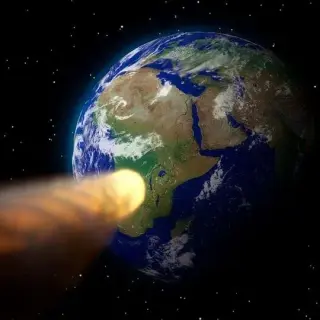 ActivityIncoming Asteroid! What's the Problem?Students are introduced to the Asteroid Impact unit and its engineering challenge: An asteroid is on course to impact the Earth and we must design…
 ActivityVideoBombs Away! Egg Drop ExperimentStudents design and build devices to protect and accurately deliver dropped eggs. The devices and their contents represent care packages that must be…
 ActivityStraining out the DirtStudents groups build water filters using activated carbon, cotton and other materials to clean a "dirty" water sample made from chocolate powder…
 ActivityVideoProtecting Our City with LeveesStudents design and build their own model levees. Acting as engineers for their city, teams create sturdy barriers to prevent water from flooding a…
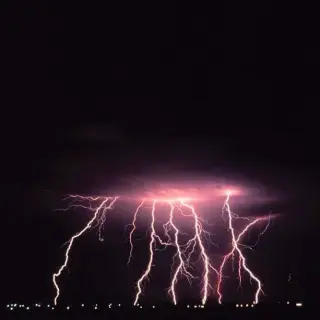 UnitWeather and AtmosphereIn this unit, students learn the basics about weather and the atmosphere. They investigate materials engineering as it applies to weather and the…
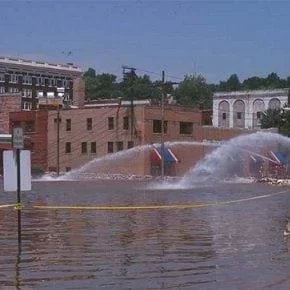 ActivityPump It! Design-Build-Test Helpful Village Water PumpsPumps are used to get drinking water to our houses every day! And in disaster situations, pumps are essential to keep flood water out. In this…
 ActivityVideoBuilding a Stronger (Sweeter) New OrleansStudents create and analyze composite materials with the intent of using the materials to construct a structure with optimal strength and minimal…
 LessonWatershed BalanceStudents learn about the water cycle and its key components. First, they learn about the concept of a watershed and why it is important in the…
 ActivityCrystalline Cloth: Modeling Water Treatment FiltersWater filtration is a key engineering concept, and in this activity students become environmental engineers as they model membranes and membrane…
 ActivityEarthquakes Living Lab: Finding Epicenters & Measuring MagnitudesStudents learn how engineers characterize earthquakes through seismic data. Then, acting as engineers, they use real-world seismograph data and a…
 ActivityEarthquakes Living Lab: Locating EarthquakesStudents use U.S. Geological Survey (USGS) real-time, real-world seismic data from around the planet to identify where earthquakes occur and look for…