Measurement & Data Collection
Engineers apply their understanding of units of measurement and data collection to create safe, accurate devices and processes that help improve everyone’s quality of life.
From skyscraper design to nanotechnology research, engineers use their knowledge of measurement and data collection to help shape the future!
Measurement and data collection are prevalent in all areas of our lives—including the arts, sciences, technology, and engineering.
Measurement is the process we use to discover the size, length, density or other dimensions of something. We constantly measure speed, length, time, temperature, height, volume and more. And, we measure things using both standard and non-standard units of measurement.
Standard measurement units are the common units of measurement used throughout the world. Standard units allow us to communicate despite language and cultural differences. This is why we use hours, minutes and seconds to measure time and degrees to measure temperature.
There are two standard unit measurement systems: Imperial or U.S. customary units (inch/foot/mile, ounce/pound, degrees Fahrenheit, etc.) and Metric (meter, kilogram, degrees Celsius, etc.). All measurements can be converted between these two measurement systems. Worldwide, the metric system is the most commonly used, making it important for engineers to be able to comfortably work with metric units of measurement.
Non-standard measurement units are a more uncommon but still useful method to measure things. For example, we can use paper clips end-to-end to measure how tall we are or yarn to measure the width of our classroom. We can also use our hands to determine if one object is heavier than another. These units of measurement, however, are not exact and might be harder to communicate with others.
What is data? Data is a collection of measurements we use to classify, sort, organize, and interpret information so we can make informed decisions. Our brains constantly pull information from our surroundings to inform all aspects of our lives—from gauging objects to handle carefully (if there is steam, or something has been out in the sun, etc..), if something is dangerous (fast moving cars, tall cliffs, etc.) and more.
All types of engineers incorporate measurement and data collection into their daily work, ensuring that the designs, products, and processes they create are safe to use by others. Civil and architectural engineers create measurements in order to build large objects, such as skyscrapers, while biological and chemical engineers measure very small objects, such as the diameter of cells. But all engineers use measurement and data collection to do their work!
Measurement & Data Collection Curricula
Ignite your students' interest in seeing how engineers use measurement and data through the engaging hands-on, design-based resources from TeachEngineering featured here, by grade band, that exemplify K-12 measurement and data collection curriculum.
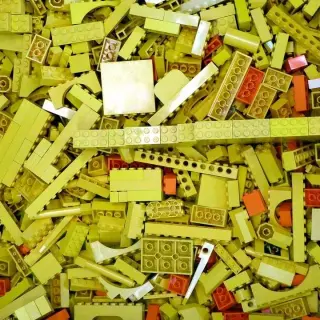 ActivityVideoAs We Grow: Measuring Heights and Graphing DataStudents visit second- and fourth-grade classes to measure the heights of older students using large building blocks as a non-standard unit of…
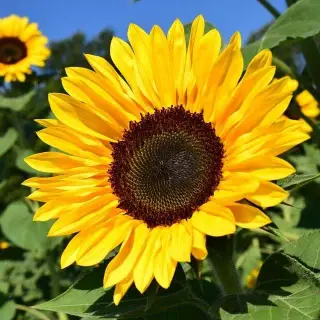 ActivityVideoLight Plants and Dark Plants, Wet Plants and Dry OnesStudents plant sunflower seeds in plastic cups, and once germinated, expose them to varying light or soil moisture conditions. They measure the…
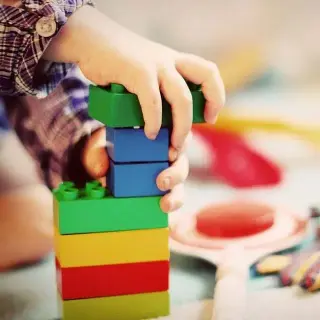 LessonVideoMeasuring and Graphing: How Tall Are We?Kindergartners measure each others' heights using large building blocks as the unit of measure. For their measurement technique, they tally how many…
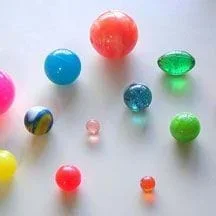 ActivityVideoHow High Can a Super Ball Bounce?Students determine the coefficient of restitution (or the elasticity) for super balls. Working in pairs, they drop balls from a meter height and…
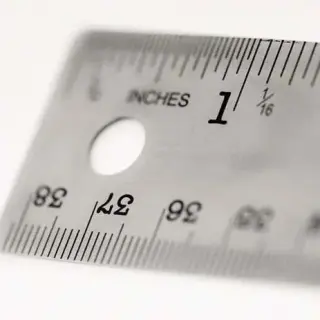 LessonVideoMeasure Twice, Cut OnceStudents learn the metric units engineers use to measure mass, distance (or length) and volume. They make estimations using these units and compare…
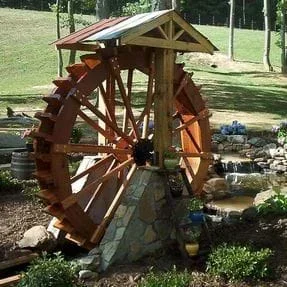 ActivityVideoWaterwheel Work: Energy Transformations and Rotational RatesStudents learn the history of the waterwheel and common uses for water turbines today. They explore kinetic energy by creating their own experimental…
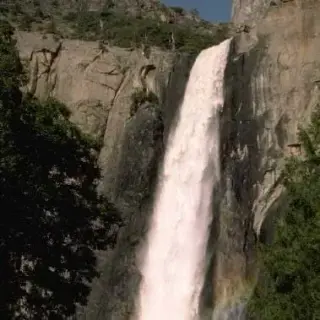 ActivityVideoFalling WaterStudents drop water from different heights to demonstrate the conversion of water's potential energy to kinetic energy. They see how varying the…
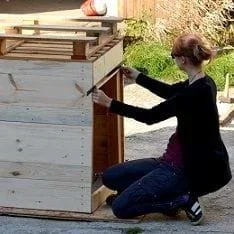 ActivityVideoGive an Inch, Take a FootStudents practice measuring techniques by measuring different objects and distances around the classroom. They practice using different scales of…
 ActivityVideoSwinging with StyleStudents experientially learn about the characteristics of a simple physics phenomenon — the pendulum — by riding on playground swings. They use…
 ActivityBrain Power: Exploring Reaction Time and Building Your Own HelmetStudents explore how animals and humans process sensory information and respond by conducting a reaction time experiment of dropping a ruler to see…
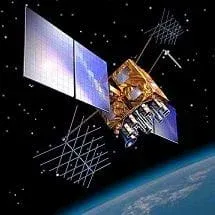 LessonNot So Lost in SpaceStudents learn how engineers navigate satellites in orbit around the Earth and on their way to other planets in the solar system. In accompanying…
 ActivityVideoComputer AccuracyAccuracy of measurement in navigation depends very much on the situation. If a sailor's target is an island 200 km wide, sailing off center by 10 or…
 ActivityVideoDensity Column Lab - Part 1In this first part of a two-part lab activity, students use triple balance beams and graduated cylinders to take measurements and calculate the…
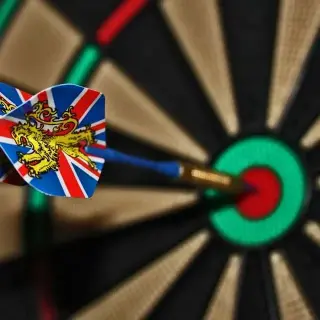 ActivityVideoClose Enough? Angles & Accuracy of Measurement in NavigationAccuracy of measurement in navigation depends very much on the situation. If a sailor's target is an island 200 km wide, sailing off center by 10 or…
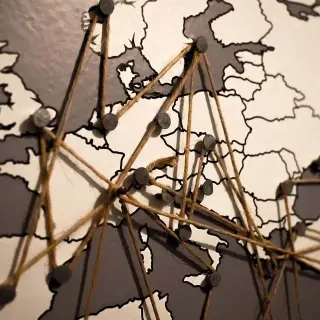 ActivityClassroom TrianglesStudents use bearing measurements to triangulate and determine objects' locations. Working in teams of two or three, they must put on their…
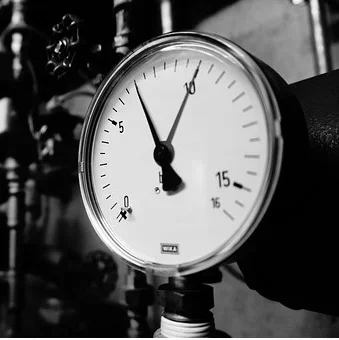 ActivityVideoBuilding a BarometerStudents investigate the weather from a systems approach, learning how individual parts of a system work together to create a final product. They…
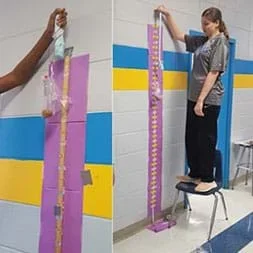 ActivityVideoGraphing the Speed of SlimeStudents conduct a research-based activity to explore, graph, and evaluate the speed of slime, or how far and at what rate slime stretches. During…
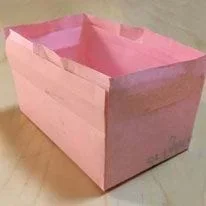 ActivityVideoVolume & Data: Build the Biggest Box Using One Piece of PaperStudent pairs are given 10 minutes to create the biggest box possible using one piece of construction paper. Teams use only scissors and tape to each…
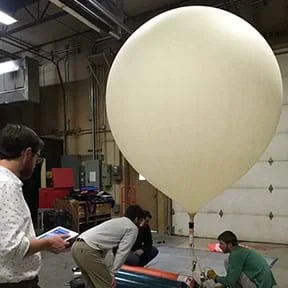 ActivityShielding from Cosmic Radiation: Part 2 - High-Altitude Balloon Launch TestThis activity has students embarking on an ambitious design project: to measure the effect of shielding from cosmic radiation via a high-altitude…
 ActivityMeasurement Certainty: How Certain Are You?Students learn about the statistical analysis of measurements and error propagation, reviewing concepts of precision, accuracy and error types. This…
 ActivityVideoMath Relationships: Scale Model Building ProjectStudents build scale models of objects of their choice. In class they measure the original object and pick a scale, deciding either to scale it up or…
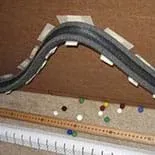 ActivityVideoDesigning a Frictional Roller Coaster With Math and Physics!Students apply high school-level differential calculus and physics to the design of two-dimensional roller coasters in which the friction force is…