Data Analysis and Probability
Engineers use data analysis and probability to make informed decisions, ensure quality control, predict possible issues, and provide a systematic approach to managing risks and uncertainties.
Data analysis and probability are fundamental concepts that play a pivotal role in the various fields of engineering.
Data Analysis
Data analysis is the process of examining, cleaning, transforming, and interpreting data to extract meaningful insights and make informed decisions. It involves the use of statistical techniques, computational tools, and domain knowledge to uncover patterns, trends, and relationships within the data. Data analysis serves as the bridge between raw data and actionable information.
- Informed Decision Making: Engineers rely on data analysis to make informed decisions at every stage of a project. Whether it's designing a new product, optimizing a manufacturing process, or assessing the performance of a structure, data analysis provides the necessary evidence to choose the best course of action.
- Quality Control: Ensuring the quality and reliability of engineering products and processes is a priority to engineers. Data analysis helps identify defects, anomalies, and deviations from the original design. By analyzing data from quality control tests, engineers can maintain consistency and improve product quality.
- Predictive Maintenance: In fields such as mechanical and industrial engineering, predictive maintenance uses data analysis to monitor existing equipment performance and predict when maintenance is needed. This proactive approach reduces downtime, extends equipment lifespan, and saves costs.
What is Probability?
Probability is how we quantify uncertainty. It deals with the likelihood of events occurring in a given context. Calculating probability provides a systematic way to model uncertainty and make predictions.
- Risk Assessment: Engineering projects often involve inherent risks and uncertainties. Engineers are able to quantify these uncertainties and assess the likelihood of various outcomes by calculating the probability of different events happening. This information allows engineers to assess risk management and decision-making in their project.
- Reliability Analysis: Engineers use probability to evaluate how reliable the systems and components are. By modeling the probability of failure or malfunction, they can design more robust and dependable solutions.
- Maintaining Consistency: Probability helps engineers maintain consistency in their work, whether it's ensuring that manufactured products meet quality standards or keeping processes running smoothly.
In the ever-evolving field of engineering, the integration of data analysis and probability ensures that projects are not only successful, but also efficient, safe, and cost-effective. As technology continues to advance, the role of data analysis and probability in engineering will only become more significant, contributing to innovation and progress across various industries.
Data Analysis and Probability Curricula
Inspire your students' interest in seeing how engineers use data analysis and probability through the engaging hands-on, design-based resources from TeachEngineering featured here, by grade band, that exemplify K-12 data analysis and probability curriculum.
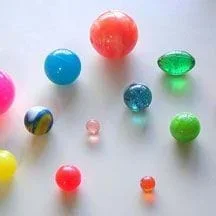 ActivityVideoHow High Can a Super Ball Bounce?Students determine the coefficient of restitution (or the elasticity) for super balls. Working in pairs, they drop balls from a meter height and…
 ActivityOperation Airdrop: Designing a Solution to Protect CargoIntroduce students to engineering design through this unique scenario—an airdrop! In this activity, students design and build a mechanism that can…
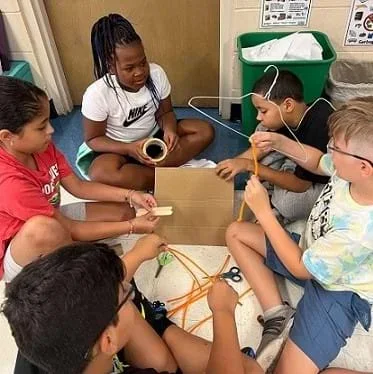 ActivityReading Hands-free Is the Way for Me!Reading is fundamental, but so is engineering design! In this activity, students plan, design and create a structure that holds a book and…
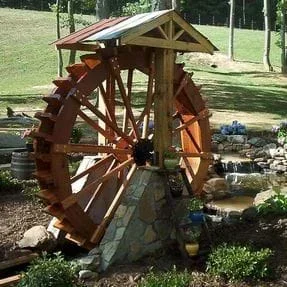 ActivityVideoWaterwheel Work: Energy Transformations and Rotational RatesStudents learn the history of the waterwheel and common uses for water turbines today. They explore kinetic energy by creating their own experimental…
 ActivityElectromagnetic Waves Are Everywhere!In this three-part activity, students are introduced to the electromagnetic spectrum, learn about the devices that use electromagnetic waves, and…
 ActivityVideoFalling WaterStudents drop water from different heights to demonstrate the conversion of water's potential energy to kinetic energy. They see how varying the…
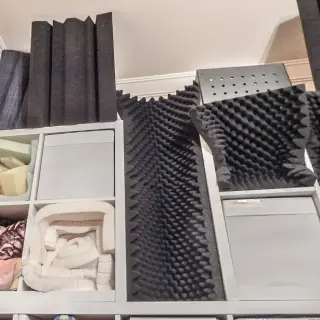 ActivityVideoWhat Soundproofing Material Works Best?Students first explore different materials to see what types reduce the most amount of sound when placed in a box. Each group is assigned a different…
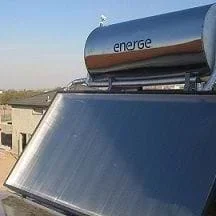 ActivityCapturing the Sun's WarmthIn the exploration of ways to use solar energy, students investigate the thermal energy storage capacities of different test materials to determine…
 ActivityVideoDesign a Soundproof RoomStudents are presented with the following challenge: their new school is under construction and the architect accidentally put the music room next to…
 ActivityMmm Cupcakes: What's Their Life Cycle Impact?Students learn about life-cycle assessment and how engineers use this technique to determine the environmental impact of everyday products and…
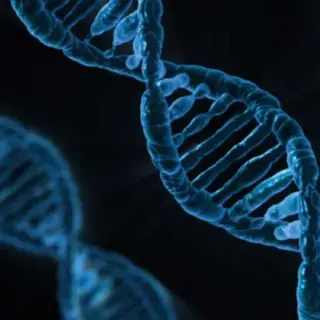 ActivityDNA Profiling & CODIS: Who Robbed the Bank?Students use DNA profiling to determine who robbed a bank. After they learn how the FBI's Combined DNA Index System (CODIS) is used to match crime…
 ActivityVideoHeredity Mix 'n MatchStudents randomly select jelly beans (or other candy) that represent genes for several human traits such as tongue-rolling ability and eye color.…
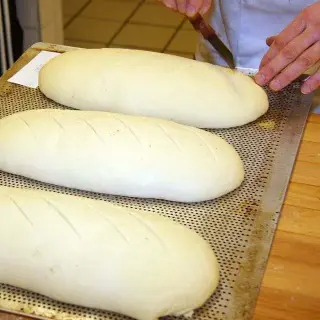 ActivityVideoYeast Cells Respire, Too (But Not Like Me and You)Students set up a simple way to indirectly observe and quantify the amount of respiration occurring in yeast-molasses cultures. Each student adds a…
 ActivityVideoHumidity? Build a Psychrometer!Using thermometers, cotton balls, string and water, students make simple psychrometers—a tool that measures humidity. They learn the difference…
 ActivityHow to Make Yeast Cells ThriveStudents set up and run the experiments they designed in the Population Growth in Yeasts associated lesson, using simple yeast-molasses cultures in…
 ActivityExploration of ECG and EMG TechnologiesStudents learn about electrocardiography (ECG) and electromyography (EMG) and apply this knowledge to an engineering design activity. First, they…
 ActivityUnderstanding the Air through Data AnalysisStudents build on their existing air quality knowledge and a description of a data set to each develop a hypothesis around how and why air pollutants…
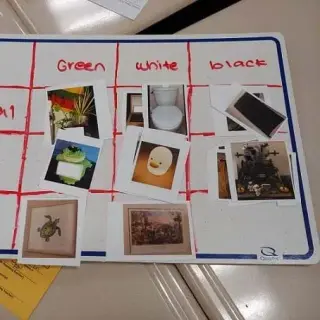 ActivityPeriodic Table Intro: Parts of a WholeThe Periodic Table is an icon of organizing for chemistry as well as other disciplines including chemical engineering. The table also represents an…
 ActivityVideoUsing Hooke's Law to Understand MaterialsStudents explore the response of springs to forces as a way to begin to understand elastic solid behavior. They gain experience in data collection…
 ActivityWater Use and Conservation: Data Analysis for Central TendencyStudents collect a large set of data (approximately 60 sets) of individual student’s water use and learn how to use spreadsheets to graph the data…
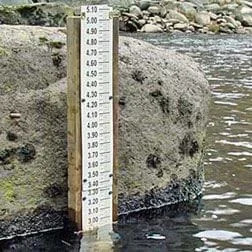 ActivityFlood AnalysisStudents learn how to use and graph real-world stream gage data to create event and annual hydrographs and calculate flood frequency statistics.…