Magnetism
Engineers apply their understanding of the phenomenon of magnetism to create devices that help improve everyone’s quality of life.
Between lifesaving medical devices, advancements in computer technologies, more sophisticated robots and other specialized electronics, engineers use magnets to develop groundbreaking technologies.
Magnetism is the physical phenomenon produced through the motion of electric charged particles, like electrons. Magnetism is a force that has the ability to repel or attract objects that contain magnetic material, such as iron, nickel, cobalt and some alloys of rare earth metals. The strength of the magnetic force depends on the distance or the amount of charge.
Everything around us is made up of atoms, and each atom has electrons — particles that carry electric charges. Most objects around us have electrons that spin in random directions, however the electrons in magnets spin in the same direction. This results in the creation of a magnetic field.
All magnets produce a field that has both a north and south pole. The poles are the strongest parts of the magnet. By holding two magnets close to each other, you can actually feel the magnetic force and experience that opposite poles (north and south) attract each other whereas identical poles (north and north or south and south) repel each other.
Three types of magnets are categorized by their magnetism source:
- Permanent magnets emit a magnetic field without any external source of electric power or magnetism. They do not easily lose their magnetism.
- Temporary magnets rely on outside forces and become magnetized when they are around a stronger magnet. They will lose their magnetism gradually when the other magnet and magnetic field is removed.
- Electromagnets are created when an electric current passes through a coil with a metal core, which is known as a solenoid. The strength of the magnetic field depends on the number of loops in the coil and the strength of the current.
Engineers use magnets in many ways. When designing information storage devices for computers—including hard drives and flash drives—they use strong magnets to read or write information to the devices. We see this everyday in credit cards, computers, and zip disks. Magnets are also used in motors and acoustics. Aerospace engineers apply their understanding of magnetic fields to design satellites that withstand the effects of the Earth's strong magnetic field, which can affect a satellite's orientation around the planet and disrupt sensitive electronics.
Magnetism is a highly-studied phenomenon because engineers use it to create electrical energy. The relation between magnetism and electricity is a key concept in science, and is the source of most of the energy we use today. This relationship has led to the operation of movable parts in nearly every electrical device, the ability to generate electricity for our homes, the wherewithal to perform non-invasive medical procedures, and more. Electricity and magnetism affect every modern industry, from communication to entertainment, medicine, warfare and manufacturing.
Magnetism Curricula
Pull your students into making sense of the incredible phenomenon of magnetism through the engaging hands-on, design-based resources from TeachEngineering featured here, by grade band, that exemplify K-12 magnetism curriculum.
Coming Soon!
 ActivityVideoMagnetic AttractionStudents complete a series of six short investigations involving magnets to learn more about their properties. Students also discuss engineering uses…
 LessonA Magnetic PersonalityStudents learn about magnets and how they are formed. They investigate the properties of magnets and how engineers use magnets in technology.…
 ActivityThe Good, the Bad and the ElectromagnetUsing plastic straws, wire, batteries and iron nails, student teams build and test two versions of electromagnets—one with and one without an iron…
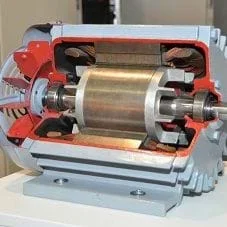 ActivityVideoGet Your Motor RunningStudents investigate motors and electromagnets as they construct their own simple electric motors using batteries, magnets, paperclips and wire.
 LessonGet Charged! Introduction to Electrical EnergyStudents are introduced to the idea of electrical energy. They learn about the relationships between charge, voltage, current and resistance. They…
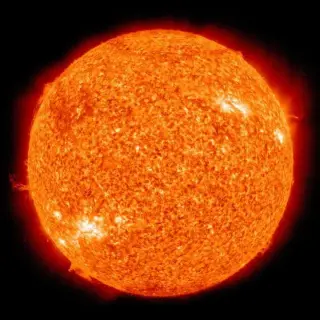 LessonBlazing GasStudents are introduced to our Sun as they explore its composition, what is happening inside it and its relationship to our planet (our energy…
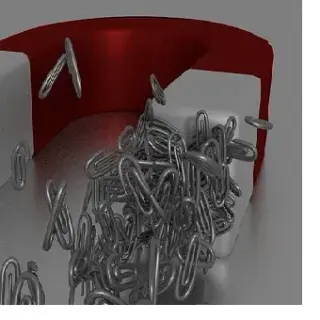 ActivityElectricity & Magnetism: Whose Field Line Is It, Anyway?Student teams each use a bar magnet, sheet of paper and iron shavings to reveal the field lines as they travel around a magnet. They repeat the…
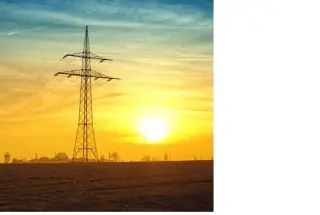 LessonThe Electric and Magnetic Personalities of Mr. MaxwellStudents are briefly introduced to Maxwell's equations and their significance to phenomena associated with electricity and magnetism. Basic concepts…
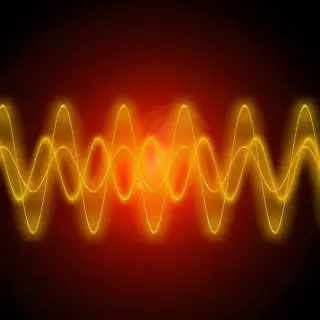 ActivityVideoYogurt Cup SpeakersStudents are introduced to the role of electricity and magnetism as they build speakers. They also explore the properties of magnets, create…
 ActivityVideoNorthward Ho! Create and Use Simple CompassesStudents create and use their own simple compasses, which are each made from a bowl of water, strong magnet, stick pin and Styrofoam peanuts. They…
 LessonRiding the Radio WavesStudents learn how AM radios work through basic concepts about waves and magnetic fields. Waves are first introduced by establishing the difference…
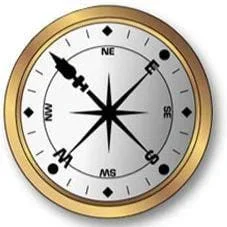 ActivityVideoFind Your Own DirectionStudents create their own simple compasses using thread, needle and water in a bowl — and learn how it works.
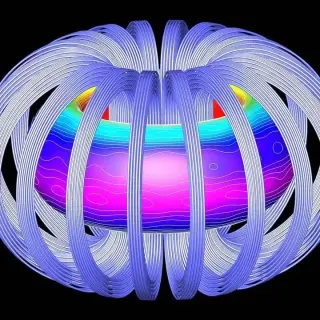 LessonMagnetic FieldsStudents visualize the magnetic field of a strong permanent magnet using a compass. The lesson begins with an analogy to the effect of the Earth's…
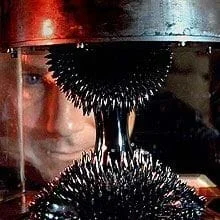 ActivityMagic Magnetic FluidStudents are introduced to a unique fluid—ferrofluids—the shape of which can be influenced by magnetic fields. This activity supplements traditional…
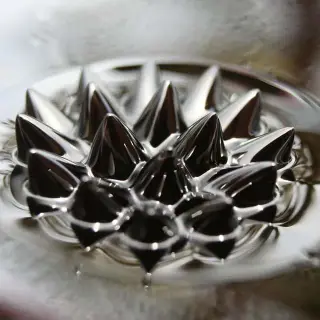 ActivityMagnetic FluidsIn this fun, engaging activity, students are introduced to a unique type of fluid—ferrofluids—whose shape can be influenced by magnetic fields!…
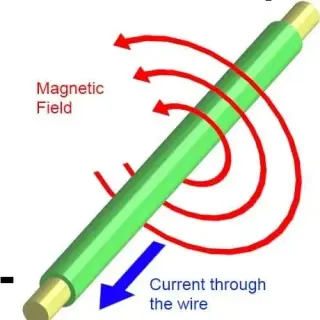 LessonElectricity and Magnetic FieldsThe grand challenge for this legacy cycle unit is for students to design a way to help a recycler separate aluminum from steel scrap metal. In…
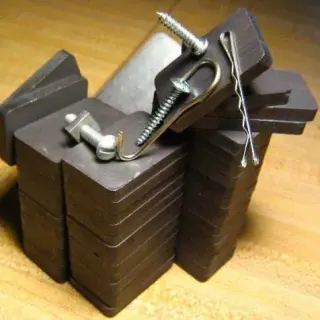 ActivityMagnetic or Not?Students explore the basic magnetic properties of different substances, particularly aluminum and steel. There is a common misconception that…
 LessonMagnetic MaterialsStudents begin working on the grand challenge of the unit by thinking about the nature of metals and quick, cost-effective means of separating…