Water
Water is essential to all living organisms, and engineers study, innovate and create new ways to provide clean water, preserve our ecosystem and keep our crops nourished around the world.
Water is critical for life to exist. Clean water is especially critical to humans, and access to clean water—and enough clean water—is a major problem humans face throughout the world. Access to clean water can be scarce during, and in the aftermath of, natural disasters.
Engineers must understand the water cycle, which is how water circulates through the atmosphere and is used over and over, to design and build products and processes that provide clean water to people and keep rivers and other bodies of water healthy for aquatic life around the world. The cycle of evaporation and condensation that controls the distribution of the earth's water as it evaporates from bodies of water, condenses into the atmosphere, precipitates and returns to those bodies of water is the water cycle, which is precious to all life on earth.
Before water comes out of the tap in your house, it goes through several treatment steps to make sure it is safe for human consumption. Civil, chemical and environmental engineers design the water treatment processes and facilities in cost-effective ways to meet the needs of communities and the ecosystem.
Engineering sustainable solutions to the world’s water challenges is intensifying as climate change impacts, coupled with a growing global population, focus on water as a precious resource in short supply for all uses – from drinking water, to meeting agricultural demands for irrigation, to industrial processes that use and contaminate huge quantities of water. Engineers must consider how our use of water impacts ecosystems around the globe. Their designs and use of natural resources to keep our water clean and safe have to maintain a balance.
Water Curricula
Dive into the world of water resource engineering with your K-12 students through the resources featured here, by grade band, and make sense of how your budding engineers learn firsthand how challenging dealing with the many demands on water can be!
Coming Soon!
 ActivityA Matter of LeachingStudents leach organic matter from soil to create a water sample with high dissolved organic matter content (DOM), and then make filters to see if…
 LessonVideoHuman Water CycleStudents learn about the human water cycle, or how humans impact the water cycle by settling down in civilizations. Specifically, they learn how…
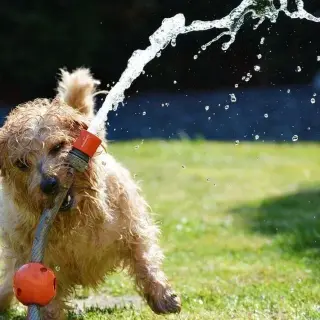 ActivityVideoWater Filtration Project: Make Your Own Water FiltersStudents are asked to design methods to filter water using ordinary materials, while also considering their designs' material and cost efficiencies.…
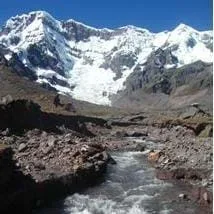 ActivityVideoSnow vs. WaterStudents explore snowmelt as a source of fresh water that used in many communities. Students determine whether they think one cup of snow produces an…
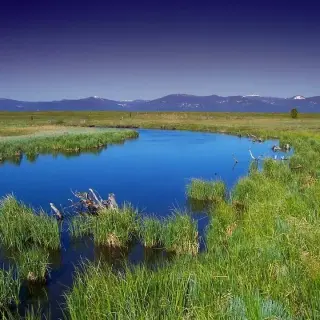 LessonAll About Water!Students learn about the differences between surface and ground water as well as the differences between streams, rivers and lakes. Then, they learn…
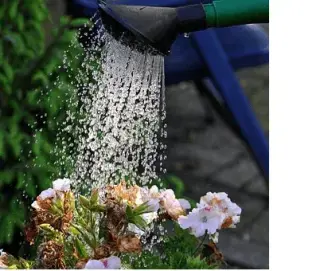 ActivityVideoShades of Gray(water)Students are introduced to the concepts of graywater and water reuse within households. They calculate the amount of used water a family generates in…
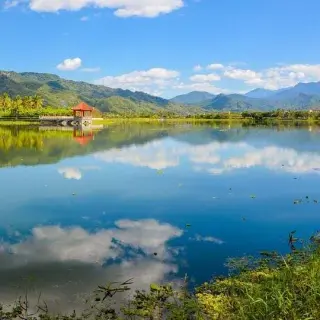 LessonWhere Has All the Water Gone?Students learn about the Earth's water cycle, especially about evaporation. Once a dam is constructed, its reservoir becomes a part of the region's…
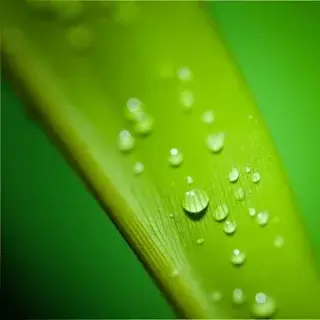 ActivityVideoTension Racers!Students see how different levels of surface tension affect water's ability to move. Teams "race" water droplets down tracks made of different…
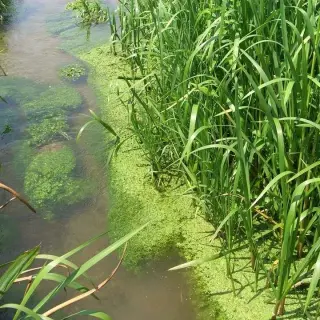 ActivityPea Soup Ponds: Algae Investigation & Analysis for Water QualityIn this activity, students learn how water can be polluted by algal blooms. They grow algae with different concentrations of fertilizer or nutrients…
 ActivityWhere Does All the Water Go?The best way for students to understand how groundwater flows is to actually see it. In this activity, students learn the vocabulary associated with…
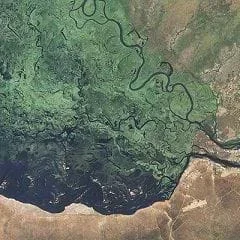 ActivityVideoFloodplain ModelingStudents explore the impact of changing river volumes and different floodplain terrain in experimental trials with table top-sized riverbed models.…
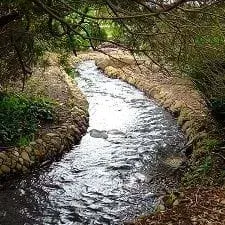 ActivityStream ConsciousnessDuring this activity, students learn how environmental engineers monitor water quality in resource use and design. They employ environmental…
 ActivityWater Use and Conservation: Data Analysis for Central TendencyStudents collect a large set of data (approximately 60 sets) of individual student’s water use and learn how to use spreadsheets to graph the data…
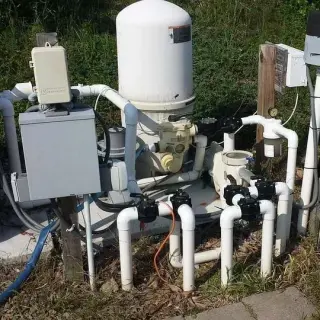 ActivityWould You Drink That?This activity focuses on getting students to think about bacteria, water quality and water treatment processes. Students develop and test their…
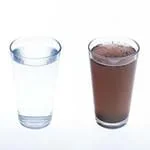 ActivityMaking Dirty Water Drinkable!Access to clean water is a major problem we face in the world today, especially in developing countries and during, and in the aftermath of, natural…
 LessonFlocculants: The First Step to Cleaner Water!Students experience firsthand one of the most common water treatment types in the industry today, flocculants. They learn how the amount of suspended…
 ActivityThings That Matter to FlocculantsPrior to reaching households, water is exposed to a variety of treatments designed to render it fit for human consumption and use. One of the first…
 LessonWatershed BalanceStudents learn about the water cycle and its key components. First, they learn about the concept of a watershed and why it is important in the…